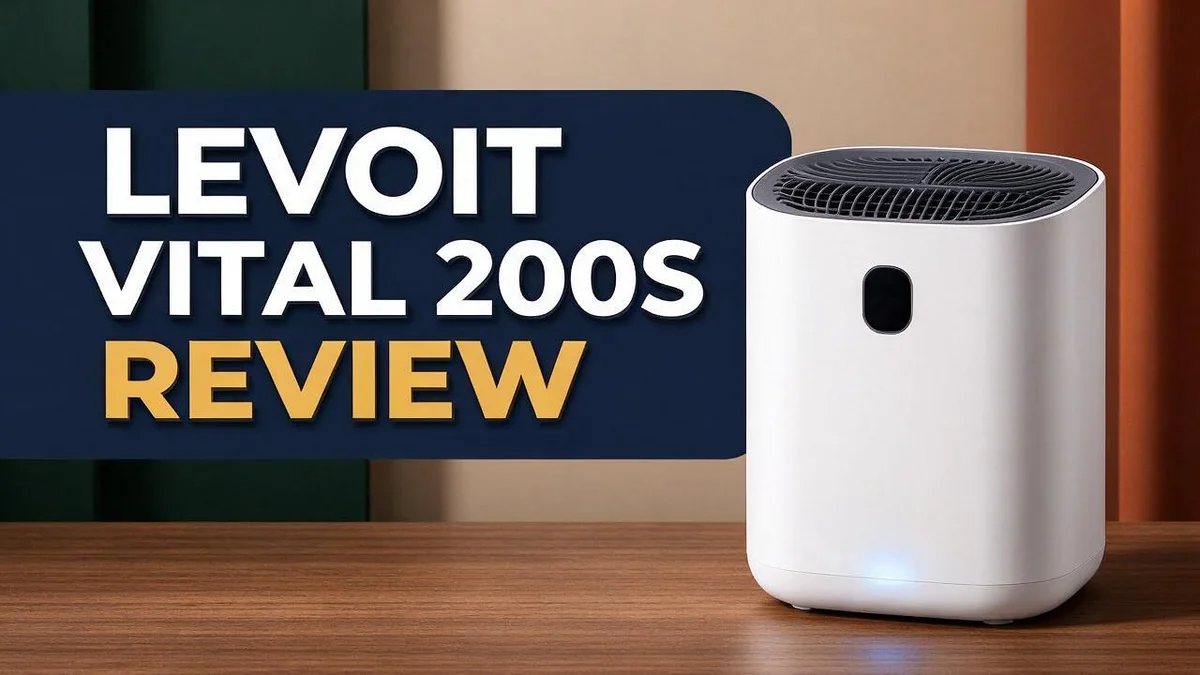
Levoit Vital 200S Review: Is This HEPA Air Purifier Worth Buying?
Do you ever wonder what you breathe at home? Dust, pollen, and pet hair build up faster than most people expect.
The Levoit Vital 200S aims to fix that problem. It cleans rooms up to 380 square feet. It also runs quietly, so you can use it day and night.
Its True HEPA filtration uses three stages and captures 99.97% of particles down to 0.3 microns. A unique pre-filter looks like mosquito mesh. It catches larger debris before it reaches the main filter.
Sleep Mode drops the noise to just 23 dB. That makes it a good match for bedrooms and nurseries. In this review, we look at how it performs, where it falls short, and whether it suits your home.
In a Nutshell
-
Room coverage: The Levoit Vital 200S cleans rooms up to 380 square feet, or about 35 square meters. That size fits most living rooms, offices, and bedrooms with ease.
-
Fast air turnover: This unit refreshes the air 4.8 times every hour. Your whole room gets cleaned again and again through the day, so stale air does not sit for long.
-
Clear test results: In one test, the air quality improved by 96 percent. That number gives you a real sense of what to expect after setup.
-
Smart control options: The P variant of the 200S adds scheduling and detailed air quality data. You can set timers and watch the readings change over time.
-
Regular filter changes: Replacement filters need changing on a set schedule, especially in homes with pets or heavy dust. Keep spares on hand so the unit keeps working well.
-
Bonded filter design: The main filter and carbon layer stay joined together. When the carbon wears out, you replace the whole part rather than just the carbon.
Filtration Performance

Last update on 2026-11-22 / Affiliate links / Images from Amazon Product Advertising API
Think of the filter as a team. Each layer has its own job. The pre-filter catches large debris first, so the finer layers last longer.
Carbon handles the smells. Dust and pollen are solid particles. Cooking odors, candle smoke, and pet smells are gases. The True HEPA layer traps particles, not gases, so the carbon layer does that work.
Size matters too. A human hair is much wider than 0.3 microns, so the filter catches it with ease. The real challenge is the tiny particles that drift around for hours. That is where the fine layers prove their value.
Run time changes results. A short burst cleans the air only once. Steady use lets the unit cycle the same room again and again. Each pass catches more particles.
Closed doors help as well. Air stays in one space, so the unit can work through it faster. Open doors let fresh dust drift in from hallways.
Placement also counts. Set the unit where people spend the most time, such as a bedroom or living room. Leave some space around it so air can move in and out freely.
Keep an eye on the pre-filter. A clogged mesh slows airflow. Check it often and clear off any buildup you see.
Pollen season brings a new challenge. Open windows let outside pollen drift inside. Keep windows shut on high pollen days and run the unit on a steady setting.
Pair the unit with simple habits. Vacuum floors often and wash bedding each week. These steps remove dust before it reaches the air. The purifier then handles what remains.
Set realistic expectations. The 96 percent improvement came from one test. Your home may show different results. Room size, pet count, and outside air all shape the outcome. Cleaner air comes from a daily routine, not a one time fix.
Coverage and Room Size
Room size decides how well any air purifier works. Start by measuring the room. Multiply the length by the width to find the square footage.
The Levoit Vital 200S fits one medium room best. It works well in a bedroom, a home office, or a small living area.
Think about open layouts too. Many homes flow from the kitchen into the living room. Air moves freely in those spaces. A single unit may not reach far corners.
Closed doors help the unit do its job. Place it in the room you want to clean, then shut the door. This keeps dust from drifting back in from hallways.
Compare the Levoit lineup before deciding. The Vital 100S covers a smaller space, up to 219 square feet. The Core 200S handles up to 183 square feet. The Core 400S offers coverage similar to the Vital 200S.
The Dyson TP02 is the main outside competitor in this comparison.
Ceiling height changes the picture. Tall ceilings add extra air volume. Give the unit more run time in those rooms.
Furniture also affects airflow. Heavy couches and tall bookcases can block the intake. Leave open space around the unit on all sides.
Keep the unit away from walls and corners. A gap of several inches helps air move in and out freely.
Pets and kids spend time in certain rooms. Focus the unit where they play or sleep most.
Large open spaces may need two units working together. This gives even coverage across the whole home.
Check the room size again after any remodel. Adding walls or an extra room changes the airflow. Update the placement to match the new layout.
A small fan can also help circulate air toward the unit.
Match the unit to the room you use most. Bedrooms benefit most from quiet Sleep Mode. Test your results over a few days. Notice whether dust settles less on shelves. Adjust placement if needed.
Noise Levels and Sleep Mode
The noise range is wide. The Levoit Vital 200S runs from 23 to 54 decibels, or dB. That spread gives you real control over how the room sounds.
A decibel is a unit that measures sound level. Every rise of about 10 dB sounds roughly twice as loud to most people. So the top setting feels far louder than the bottom one.
Think of the quiet end as a library. The loud end sounds closer to a lively conversation in the same room.
Fan speed shapes the sound. Lower speeds keep the hum soft and steady. Higher speeds clean the air faster, but they also raise the noise level.
Use the day to test the settings. Run the unit on a higher speed while you work or cook. Then switch to a lower speed or Sleep Mode before bed.
A quick listen at night tells you a lot. Stand in the bedroom with the unit on and the lights off. Ask yourself if the hum fades into the background or pulls your attention.
Background sound can help. A fan, a white noise app, or light traffic can mask the hum. Some sleepers find a steady sound easier to ignore than total silence.
Steady sound can calm the night. A soft, even hum can cover sudden noises like a car horn or a creaking door. Many people find that steady sound easier to rest through than random bumps in the dark.
Watch for changes over time. A new rattle or louder hum often signals dust buildup or a loose part. Wipe the vents and check the unit once a month.
Sleep Mode gives the most peaceful option at night. Expect a gentle hum, not total silence.
Numbers tell only part of the story. A 23 dB reading matters less than how the sound feels to you. Trust your own ears during the test, and adjust the speed until the room feels right.
Also note how long you plan to run it. Overnight use at a low speed keeps the room fresh without much fuss.
Top 3 Alternatives
Looking for a different air purifier? These three options cover a range of room sizes and needs. Each one brings clean air and simple controls.
Coway Airmega 200M

- [Coverage] Designed to clean spaces up to 874 sq. ft. in 30 minutes or up to 1,748 sq. ft. in...
- [HyperCaptive Filtration System] Combination of a pre-filter, deodorization filter, and HEPA Filter...

Last update on 2026-11-22 / Affiliate links / Images from Amazon Product Advertising API
The Coway Airmega 200M suits medium to large rooms. It uses a True HEPA filter to trap dust, pollen, and pet dander. Its air quality sensors adjust fan speed on their own. Many owners enjoy the quiet sleep mode at night.
Best for: families and pet owners who want quiet, steady cleaning.
Blueair Blue Pure 211+

- Powerful Air Purifier for Large Rooms:** The Blue Pure 211i Max cleans up to 674 sq ft in just...
- HEPASilent Filtration for Pets, Allergens & Smoke:** Blueair's HEPASilent dual filtration...
Last update on 2026-11-22 / Affiliate links / Images from Amazon Product Advertising API
The Blueair Blue Pure 211+ fits smaller bedrooms and offices well. Its light, simple design blends into most rooms. A fabric pre-filter catches larger particles, while the HEPASilent filter handles fine dust. Setup takes only a few minutes.
Best for: people who want a compact unit with a clean look.
Honeywell HPA300

- Effective Air Cleaning and Circulation: Honeywell HPA304 Air Purifiers are large air purifiers for...
- Compatible Does Not Mean Comparable: For best performance in your air filtration system, use only...
Last update on 2026-11-22 / Affiliate links / Images from Amazon Product Advertising API
The Honeywell HPA300 works well in larger open spaces. Its simple control panel makes daily use easy. A filter change indicator tells you when to replace parts, so you never guess. It is a good pick for people with allergies who want steady airflow.
Best for: homes with allergy sufferers and large living areas.
Smart Features and Air-Quality Monitoring
Smart features can make the Levoit Vital 200S easier to live with. Instead of walking over to the unit each time, you can plan its work ahead.
Scheduling is the feature most people use first. You can set run times so the purifier starts before you get home. Morning cleaning and evening rest both fit nicely into a simple daily plan.
Busy households often benefit most from scheduling. A purifier that runs while everyone is at work keeps the air fresher when people return. It also saves you from remembering to switch it on each day.
The P variant goes a step further. It offers detailed air quality data, so you can see how the air changes. That view turns a guess into a clear reading.
Numbers help you judge progress. A reading that drops after a cooking session shows the unit is working. A reading that stays high may point to a source nearby, like a candle or a damp corner.
Data also helps with timing. You can run a quick check after vacuuming or after guests leave. Then you know whether the room needs more time on the higher setting.
Watch for patterns, not single spikes. One high reading may mean little. Repeated high readings across the week tell a clearer story about your home.
Smart features work best with a clear goal. Pick one or two routines first, such as a daily schedule for the bedroom. Add more control once you feel comfortable.
Remember that data does not replace cleaning. The purifier catches particles in the air, but dust on floors and furniture still needs regular wiping. Use both tools together for the best result.
If you share the home with pets or children, check the data during busy hours. You can then compare readings from playtime with quiet evenings. That comparison shows which routines matter most.
Filter Replacement and Running Costs
Filter replacement is a key part of owning this unit. A clean filter keeps the air moving well and traps fine particles. Over time, the filters fill up and need a change.
Pet heavy and dusty homes need changes sooner. Pet hair, dander, and dust load the filters fast. If you have a dog or cat that sheds, expect to check the filters more often than someone in a quiet home with no pets.
The Vital 200S uses three stage True HEPA filtration. This system captures 99.97 percent of particles down to 0.3 microns. That strong capture rate is great, but it also means the filter gathers debris quickly in busy rooms.
The carbon and main filter are bonded. Many people expect to swap only the carbon layer. With this model, replacing spent carbon means replacing the whole part. Plan for that when you think about upkeep.
Keep a simple replacement log. Write the install date on the filter or in your phone. Set a reminder a few weeks before you expect a change. This habit stops the unit from running on a tired filter.
The pre filter looks like mosquito mesh. It catches large hair and lint before air reaches the main layers. Check it on a regular schedule, and remove anything stuck on the surface so airflow stays strong.
Watch for signs that a filter needs attention. Air may feel less fresh, or odors may linger longer than usual. A slower airflow or a louder hum on the same setting can also signal a clogged filter.
Set your expectations early. Filters are a normal part of running any air purifier. Knowing the schedule before the first change makes the process feel calm rather than surprising.
Plan ahead for smooth upkeep. Keep one spare filter on hand so you never run without protection. This simple step keeps your home fresh and your routine easy to follow.
Pros and Cons
Pros
- Clear test results: One test showed a 96% gain in air quality.
- Good for dusty rooms: Strong filtration helps in spaces with dust and pet hair.
- Easy to start: Basic settings get you running in minutes.
- Two options: The standard and P models let you choose simple or data-rich use.
- Calm night use: Quiet running makes it easy to leave on overnight.
Cons
- Large open plans: You may need a second unit to cover a big open area.
- Not a cleaning tool: It cleans the air only, so floors and surfaces still need care.
- Smaller rooms: A compact model like the Vital 100S may suit tiny spaces better.
- Many rival options: Competitors such as the Core 400S and Dyson TP02 deserve a side-by-side look.
Who Should Buy It
This unit suits people who want cleaner air in one main room. It covers about 380 square feet, so a bedroom, home office, or living room fits well.
Light sleepers often find it a good match. Sleep mode runs at about 23 dB, which is very quiet. Many people leave it on through the night without any sound bother, and that helps them rest.
People who enjoy tracking numbers may prefer the P variant. Some shoppers like watching trends on a screen. Others only want fresh air and simple controls. Both types can find a good fit here.
Owners who enjoy a simple routine will feel at home. Changing filters on time is the main habit to build. Once that habit sticks, the unit runs with little extra effort.
Shoppers with allergies should speak with a doctor first. Air filters can help, but they do not cure allergies. A medical professional can advise on the best plan for your needs.
First time buyers often like a clear starting point. A single room unit lets you test whether a purifier helps your home. Start small, learn your habits, and expand later if needed.
Compare room sizes before you decide. The Levoit Core 200S covers up to 183 square feet, while the Core 400S offers similar coverage to this model. If your space is larger than 380 square feet, this unit may fall short.
A Dyson TP02 is another option to compare. Look at coverage, noise, and filter plans side by side. The right choice depends on your room and your daily habits.
Buyers who want quiet, strong filtration in one room should feel confident. This model fits that goal well. Choose it when your room size matches and the filter plan feels doable for you.
Final Verdict
Our final take is positive for the right buyer. The Levoit Vital 200S does its main job well. It suits people who want cleaner air in one main space.
Where you place it matters. A bedroom, home office, or living room fits its coverage best. Larger open plans may need a second unit.
Sleep lovers will appreciate the calm operation. Sleep mode keeps noise low for light sleepers. You can leave it running overnight without fuss.
Ongoing care is the real tradeoff. Filters need timely changes, so plan time for that routine.
Pick the model that fits your habits. The standard version suits simple daily use. The P variant suits people who enjoy tracking air quality numbers.
Think about your daily routine before you commit. A clear schedule helps you change filters on time and keep the air fresh.
Set clear expectations too. It cleans the air only. Floors, fabrics, and surfaces still need regular care.
Allergy sufferers should stay cautious. A purifier can help with dust and pet hair, but it does not cure allergies. Talk with a doctor first.
Setup is simple, so the start feels easy. You can get running in minutes. New owners often settle into a steady routine quickly.
Compare rivals before you decide. The Vital 100S suits smaller rooms. The Core 400S covers a similar area.
The Dyson TP02 is another name to weigh. Each brand brings different strengths, so read the specs side by side.
Bottom line: it is a dependable pick for one room. If you want quiet operation and clean air, it deserves a close look. Keep a simple filter log, and it will serve you well.
Frequently Asked Questions
Does the Vital 200S help with odors?
Yes, it includes a carbon layer that can help with some smells. Carbon works well on everyday household odors. Many people notice a fresher room after a few days. Strong smells may take longer to clear.
What does the pre-filter do?
The mosquito mesh style pre-filter catches larger bits like lint and hair first. This helps the main filter last longer. Check it often in homes with pets. Gently wipe it when it looks dusty.
How fast does it clean the air?
In one test, it improved air quality by 96%. Results depend on room size, dust levels, and fan speed. Keep doors closed for faster results. Most rooms feel fresher after a short run time.
Can it handle a bigger room?
It covers about 380 square feet, so larger rooms may not get full coverage. The Levoit Core 400S offers similar coverage if you want another option. Measure your room first and compare it with the stated coverage.
How does it compare with the Dyson TP02?
Both units aim to clean the air in one room. Compare noise levels, filter upkeep, and smart features. Pick the one that fits your daily habits and your space.

Hi, I’m Ivy! I’m a smart home enthusiast and self-proclaimed clean freak who loves testing the latest cleaning tech so you don’t have to waste your money on the wrong one. I started HomeTechClean to share honest reviews and practical advice for anyone who wants a cleaner home with less effort.