How To Clean A Vacuum Brush Roll Tangled With Long Human Hair?
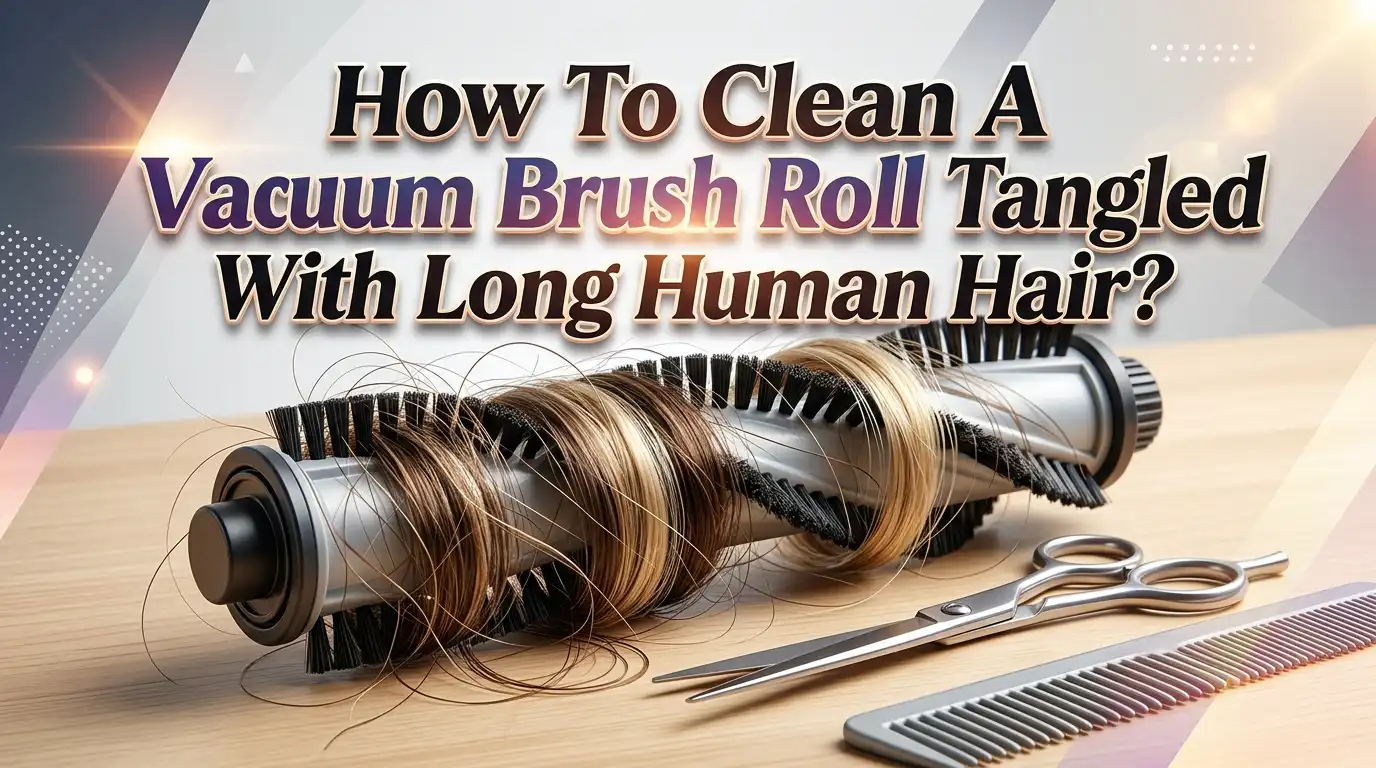
Long human hair wraps itself tightly around the roller, chokes the bristles, and kills suction power over time. The worst part? Most people do not realize the brush roll is the problem until performance drops dramatically.
You are not alone if you have ever flipped your vacuum over and found a thick, matted layer of hair wound so tight it looks impossible to remove. This is one of the most common vacuum problems in households where anyone has shoulder length or longer hair.
This guide walks you through every method, tool, and trick you need to clean your vacuum brush roll and keep it hair free.
You will learn how to safely remove the roller, choose the right cutting tool, clean every component, and prevent future tangles. Every step is practical, tested, and easy to follow.
In A Nutshell
- Always unplug your vacuum first before you attempt any cleaning. This is the most important safety step. Even cordless vacuums should be powered off completely to prevent the brush roll from spinning unexpectedly during the cleaning process.
- A seam ripper is the single best tool for cutting through hair on a brush roll. It slides under tightly wound hair and slices through it without damaging the bristles. Scissors work too, but a seam ripper gives you more control and precision.
- You should clean the brush roll every two to four weeks if you or anyone in your household has long hair. Waiting months between cleanings allows hair to compact into a dense mat that becomes much harder to remove and can damage the roller bearings.
- Removing the brush roll from the vacuum makes the job faster and easier. Most modern vacuums allow you to detach the roller with a simple latch, coin turn, or screwdriver. Check your owner’s manual for the specific removal method for your model.
- Regular maintenance prevents expensive repairs. A tangled brush roll forces the vacuum motor to work harder, which can overheat the belt, wear out bearings, and shorten the lifespan of your entire vacuum. A clean brush roll protects your investment.
- Anti tangle brush rolls exist but still need maintenance. Even vacuums with tangle free technology benefit from periodic cleaning. No brush roll is 100% immune to long human hair buildup.
Why Long Hair Wraps Around the Brush Roll So Easily
The brush roll spins at high speed to agitate carpet fibers and loosen dirt. When long strands of hair get picked up, they do not go straight into the dust bin. Instead, they catch on the bristles and wrap around the roller with each rotation. A single strand can loop around the roll dozens of times in seconds.
Human hair is surprisingly strong. A single strand can hold about 100 grams of weight, and it does not break easily under tension. This means once hair wraps around the brush roll, it stays there. Each vacuuming session adds more strands on top of the old ones.
Over time, the hair compresses into a tight band around the roller. Dust, lint, and small fibers get trapped in this band too, making the tangle even denser. The longer you wait to clean it, the harder the job becomes. Households with multiple people who have long hair or pets with fur can see significant buildup in just one to two weeks of regular vacuuming.
Signs Your Brush Roll Needs Immediate Cleaning
Your vacuum will give you several clear warning signs before it stops working entirely. The first sign is usually reduced suction on carpeted surfaces. Your vacuum may still work fine on hard floors, but carpet cleaning performance drops because the bristles cannot agitate the fibers.
Listen to your vacuum. A brush roll wrapped in hair often produces a different sound than a clean one. You may hear a high pitched whine or a strained motor noise. Some vacuums have a belt that connects the motor to the brush roll. Hair tangles force the belt to work harder, and you might even smell burning rubber if the belt starts slipping.
Visible hair around the ends of the roller is another obvious sign. Flip your vacuum over and look at the brush roll. If you see hair wound tightly around it, or if the roller does not spin freely when you push it with your finger, it is time for a cleaning. Some modern vacuums have indicator lights that warn you about a jammed brush roll.
Tools You Will Need for the Job
Gather everything before you start so the process goes smoothly. The essential tools are a seam ripper or sharp scissors, a pair of tweezers or needle nose pliers, and a screwdriver if your model requires one to access the brush roll. Most of these items are already in your home.
A seam ripper is a small, inexpensive sewing tool with a sharp curved blade. It is the top choice among professional cleaners and vacuum enthusiasts for this task. The pointed tip slides under tangled hair, and the blade cuts through it cleanly. You can find a seam ripper at any craft or fabric store.
You may also want a trash bag or old newspaper spread on your work surface to catch the debris. A damp cloth is helpful for wiping down the roller after you remove all the hair. If you want to do a deep clean, keep some warm soapy water and an old toothbrush ready for scrubbing the roller and end caps.
Pros of a seam ripper: Very precise, low risk of bristle damage, inexpensive, easy to control.
Cons of a seam ripper: Slower for very thick buildups, requires some hand dexterity.
Pros of scissors: Faster for heavy tangles, widely available in every home.
Cons of scissors: Higher risk of cutting bristles, harder to control in tight spaces, can nick the roller surface.
How To Safely Remove the Brush Roll
Step one is always to unplug your vacuum from the wall outlet. For cordless models, remove the battery or make sure the power is fully off. This prevents the brush from spinning accidentally and injuring your fingers. Never skip this step.
Next, flip the vacuum over so the bottom plate faces up. Most uprights and stick vacuums have a cover plate secured by latches, twist locks, or screws. Check your owner’s manual for the exact method. Many Shark models use a simple release button. Dyson models often have coin slot screws or quick release tabs.
Once the cover plate is off, the brush roll usually lifts straight out. Some rollers sit in grooves or clips on each side. Gently lift one end first and then the other to avoid forcing it. Take note of how the roller sits in the housing, including which direction the belt wraps, so you can reinstall it correctly later. Taking a quick photo with your phone before removal is a smart move.
Set the roller on your prepared work surface. Inspect the housing cavity too. You may find additional hair, dust, or debris trapped inside. Clear this out with your fingers or a damp cloth before you begin cleaning the roller itself.
The Seam Ripper Method: Step By Step
This is the most recommended method by cleaning professionals and vacuum repair technicians. Start by holding the brush roll firmly in one hand or placing it on a flat surface where it will not roll around. A towel underneath provides grip and stability.
Position the pointed tip of the seam ripper under a section of the wound hair. Slide it between the hair and the roller surface. Push the seam ripper forward so the small blade catches and cuts through the hair strands. Work along the length of the roller, making several passes.
After each cut, pull the loosened hair away with your fingers or tweezers. The hair should come off in clumps or strips once it has been sliced through. Continue cutting and pulling until the roller is completely clear. Pay extra attention to the areas around the bristle rows where hair tends to hide.
For stubborn sections where hair is wound extremely tight, make multiple small cuts instead of trying to slice through everything at once. Patience here saves you from accidentally cutting the bristles. The entire process typically takes five to ten minutes for moderate buildup and up to fifteen minutes for severe tangles.
The Scissors Method: Step By Step
If you do not have a seam ripper, a pair of sharp scissors does the job well. Use small scissors like nail scissors or craft scissors rather than large kitchen shears. Smaller blades give you better control around the bristles.
Hold the brush roll steady and carefully slide one scissor blade under the layer of tangled hair. Cut along the length of the roller, following the line of the bristles. Make shallow cuts to avoid damaging the brush. It is better to make several gentle cuts than one aggressive one.
After cutting a line through the hair, use your fingers or tweezers to peel the hair away from the roller. It should come off in sections. Rotate the roller and repeat the process on all sides until no hair remains.
Pros of this method: Fast, no special tools needed, effective for thick tangles.
Cons of this method: You risk snipping bristles if you cut too deep. Scissors can also scratch the roller surface on some models. Be especially careful on rollers with soft rubber fins instead of traditional bristles, since these are easy to nick.
Cleaning the End Caps and Bearings
Many people clean the main roller and forget about the end caps and bearings, which are equally important. Hair often wraps around the small axle points at each end of the roller. This hair causes friction, slows down the spin, and wears out the bearings faster.
Remove the end caps if your model allows it. Many brush rolls have snap on or screw on end caps. Pull or twist them off gently. You will likely find a surprising amount of hair and gunk packed in there. Use tweezers or a toothpick to pick out every strand.
Wipe the end caps and bearing surfaces with a damp cloth or a cotton swab dipped in rubbing alcohol. This removes oils and residue that cause friction. Allow everything to dry completely before reassembling. Moisture in the bearings can cause rust or reduce roller spin efficiency. This small step can make a noticeable difference in how smoothly your vacuum operates.
Deep Cleaning the Brush Roll With Soap and Water
Once all the hair is removed, you can give the brush roll a thorough wash. Fill a basin with warm water and add a small amount of dish soap. Submerge the roller and use an old toothbrush to scrub the bristles and surfaces. This removes trapped dust, skin oils, and any odor causing bacteria.
Rinse the roller under clean running water until all soap residue is gone. Shake off excess water and stand the roller upright or lay it on a dry towel. Let it air dry completely for at least 24 hours before reinstalling. Putting a wet roller back into your vacuum can cause mold, mildew, and unpleasant odors.
Pros of washing: Removes deep grime, eliminates odors, restores bristle flexibility.
Cons of washing: Requires long drying time, not suitable for rollers with internal electronics or motors. Check your manual to confirm your roller is washable before submerging it. Some high end models have motorized brush rolls that should only be wiped down, not soaked.
How To Reinstall the Brush Roll Correctly
After your brush roll is clean and dry, it is time to put it back together. Reattach the end caps first if you removed them. Make sure they snap or screw on firmly. A loose end cap can cause the roller to wobble and reduce cleaning performance.
Place the roller back into its housing. Align the belt around the roller and the motor spindle exactly as it was before removal. This is where that photo you took earlier comes in handy. A misaligned belt will cause the roller to spin too slowly or not at all.
Secure the bottom plate with the screws, latches, or twist locks. Give the roller a manual spin to confirm it moves freely before you plug in and power up. Turn the vacuum on and listen for normal operating sounds. Test it on a small area of carpet to make sure suction and brush agitation are back to full strength. If the roller does not spin, double check the belt alignment and make sure the end caps are seated properly.
How Often Should You Clean the Brush Roll
The ideal cleaning frequency depends on your household. If one or more people in your home have long hair, clean the brush roll every two to four weeks. Homes with pets should follow the same schedule or even clean more often. Short haired households can stretch this to once every one to two months.
A quick visual check takes only a few seconds. Flip your vacuum over after every few uses and glance at the roller. If you see hair starting to accumulate, deal with it before it gets worse. A light tangle takes one to two minutes to clear. A months old buildup takes much longer and is harder on both you and the vacuum.
Set a reminder on your phone or calendar so you do not forget. Many people find it easiest to make brush roll cleaning part of their regular vacuum maintenance routine, along with emptying the dust bin and checking filters. Consistent small efforts prevent big headaches later.
Tips To Prevent Excessive Hair Buildup
Prevention can save you a lot of cleaning time. Brush your hair over a trash can before vacuuming to reduce the number of loose strands on the floor. This single habit can dramatically reduce how quickly your brush roll gets tangled.
Pick up visible hair clumps by hand before running the vacuum. This is especially useful in bathrooms, bedrooms, and areas where hair tends to gather. A quick sweep with a rubber broom can collect loose hair from hard floors before you switch to vacuuming.
Consider using a lint roller or rubber squeegee on carpets and upholstery before vacuuming. These tools lift hair from fibers without tangling it around a brush roll. You can also switch to a suction only mode if your vacuum offers one. This setting turns off the brush roll and uses airflow alone, which works well for picking up surface hair on hard floors.
For long term relief, look into vacuums with anti tangle brush roll technology. These models use rubber fins, comb like guides, or specialized bristle patterns to reduce hair wrapping. They still need occasional cleaning, but the buildup is significantly less.
What To Do If the Brush Roll Is Damaged
Sometimes a brush roll has been neglected too long, and the damage goes beyond a simple cleaning. If bristles are worn flat, melted, or cut down significantly, the roller will not clean effectively even after removing all the hair. Replacement is the best option in this case.
Check if the belt is stretched, cracked, or gives off a burning smell. A worn belt cannot spin the brush roll at the correct speed, which reduces carpet agitation. Belts are inexpensive and easy to replace on most vacuum models. Your owner’s manual lists the correct belt part number.
Worn bearings cause the roller to wobble or squeak. If cleaning the end caps and bearing surfaces does not fix the noise, the bearings or end caps may need replacement. Most vacuum manufacturers sell replacement brush rolls and parts directly. Replacing a damaged roller is far cheaper than buying a whole new vacuum, so do not ignore these warning signs.
Common Mistakes To Avoid During Cleaning
The biggest mistake is forgetting to unplug the vacuum. This creates a real safety risk if the brush roll activates while your hands are near it. Always disconnect power before you start.
Another common error is cutting too aggressively with scissors or a blade. Deep cuts damage bristles and reduce the roller’s ability to agitate carpet fibers. Use gentle, shallow slicing motions and let the tool do the work.
Do not reinstall a wet brush roll. Moisture trapped inside the vacuum head promotes mold and mildew growth. It can also damage electrical components. Wait until the roller is bone dry before putting it back. If you are in a hurry, use a hair dryer on a cool setting to speed up the drying process.
Avoid using knives or box cutters for hair removal. These tools are difficult to control on a cylindrical surface and pose a much higher risk of injury compared to scissors or a seam ripper. Stick with the right tools for a safe and effective cleaning.
Frequently Asked Questions
Can I Use a Razor Blade To Cut Hair Off the Brush Roll?
A razor blade can work, but it is not recommended. Razor blades are very sharp and difficult to control on a round surface. The risk of cutting yourself or slicing into the bristles or rubber fins is high. A seam ripper provides the same cutting ability with far more control and safety. If a seam ripper is not available, small scissors are a safer alternative to any type of bare blade.
How Do I Know If My Vacuum Belt Needs Replacing After a Hair Tangle?
Check the belt for visible signs of wear like stretching, cracking, fraying, or a glazed shiny surface. A healthy belt feels firm and slightly stretchy. If the belt looks thin, smells like burning rubber, or the brush roll spins slower than usual even after cleaning, the belt is likely worn out. Most manufacturers recommend replacing the belt once a year, or sooner if hair tangles have put extra strain on it.
Will Cleaning the Brush Roll Void My Vacuum Warranty?
No. Brush roll cleaning is considered basic user maintenance and does not void warranties on any major vacuum brand. Most manufacturer manuals include specific instructions for removing and cleaning the brush roll. However, if you disassemble internal components beyond what the manual recommends, that could potentially affect warranty coverage. Stick to the maintenance steps outlined in your owner’s manual.
Is It Normal for a Brand New Vacuum To Get Hair Tangled Quickly?
Yes, this is completely normal. All vacuums with rotating brush rolls will pick up and tangle long hair. Even models with anti tangle technology will accumulate some hair over time. The difference is how quickly it builds up and how easy it is to remove. Regular cleaning is simply part of owning a vacuum in a household with long hair.
Can I Run My Vacuum Without the Brush Roll Installed?
Some vacuums allow you to turn off the brush roll or switch to a suction only mode. However, physically removing the brush roll and vacuuming without it is not recommended. This can allow debris to enter areas of the vacuum head that are not designed for direct contact with dirt. It can also reduce suction efficiency because the housing is designed to work with the roller in place. Use suction only mode if your vacuum offers it.
How Long Does a Brush Roll Typically Last Before It Needs Replacement?
A well maintained brush roll lasts one to three years depending on how often you vacuum and the type of flooring in your home. Heavy use on thick carpet wears bristles down faster. Homes with pets or long haired residents may need to replace the roller sooner. Inspect the bristle length regularly. If the bristles are noticeably shorter or flattened compared to new, it is time for a fresh roller.

Hi, I’m Ivy! I’m a smart home enthusiast and self-proclaimed clean freak who loves testing the latest cleaning tech so you don’t have to waste your money on the wrong one. I started HomeTechClean to share honest reviews and practical advice for anyone who wants a cleaner home with less effort.