
How To Replace A Worn Out Brush Roll On An Upright Vacuum?
Your upright vacuum used to glide across the carpet and pull up every speck of dirt. Now it just pushes lint around and leaves crumbs behind. The culprit is often a worn out brush roll. This small spinning part does most of the heavy lifting inside your vacuum, and once its bristles flatten or fray, suction alone cannot rescue your floors.
The good news is you do not need a repair technician. Replacing a brush roll is one of the easiest vacuum repairs you can do at home. With a screwdriver, ten minutes, and the right replacement part, you can bring your vacuum back to life.
This guide walks you through every step, from spotting the warning signs to testing your finished work. Keep reading to learn how to fix the problem yourself and save money in the process.
Key Takeaways
- A worn brush roll causes poor pickup. If your vacuum leaves dirt behind, the bristles are likely too short, bent, or tangled with hair to grab debris from carpet fibers.
- You only need basic tools. A Phillips head screwdriver, scissors, and sometimes a flat head screwdriver are enough for most upright vacuum models.
- Always unplug the vacuum first. Safety comes before speed. Pulling the plug prevents accidental motor starts while your fingers are near the belt.
- The belt usually comes off with the brush roll. Inspect it during the swap. If the belt looks stretched, glossy, or cracked, replace it at the same time.
- Match the replacement part to your model number. Brush rolls are not universal. Check the sticker on the back or bottom of your vacuum to find the correct part.
- Test the new brush roll before full use. Spin it by hand, run the vacuum upside down for a moment, and listen for smooth rotation without rattling.
Why The Brush Roll Matters So Much
The brush roll is the spinning bar at the base of your upright vacuum. It has stiff bristles that beat the carpet and lift dirt, pet hair, and dust into the suction path. Without it, your vacuum would only pick up loose surface debris.
A healthy brush roll digs deep into carpet pile. It loosens trapped grit that suction alone cannot reach. On hard floors, the softer bristles sweep fine dust toward the nozzle. Both jobs depend on bristles that stand tall and stiff.
Over time, the bristles wear down from friction with the floor. They also collect hair, string, and carpet fibers that wrap around the bar. This buildup slows the roll and adds drag on the motor. Eventually the bristles shorten so much that they barely touch the carpet at all.
When that happens, the vacuum still hums and the suction still works, but the floor stays dirty. The brush roll is doing nothing. Replacing it restores agitation, which is the mechanical part of carpet cleaning. Suction and agitation must work together for a vacuum to clean well.
Signs Your Brush Roll Is Worn Out
Spotting the problem early saves your vacuum from extra strain. The most obvious clue is poor cleaning performance. If you push the vacuum over crumbs or pet hair and they stay on the floor, the brush roll is failing.
Flip your vacuum over and look at the bristles. Healthy bristles stand straight and feel firm to the touch. Worn bristles look stubby, bent at odd angles, or shorter on one side than the other. Some people compare a worn brush roll to an old broom or a used lipstick.
Listen to the vacuum while it runs. A loud whine, a burning rubber smell, or a slapping noise can mean the belt is slipping because the roll is jammed. Touch the brush roll after a short run. If it feels hot, friction is too high.
You should also check the spin. With the vacuum unplugged, spin the brush roll with your hand. It should turn freely and smoothly. A roll that wobbles, sticks, or grinds has worn bearings or a damaged end cap. These are all signs you need a new one.
Gather The Tools And Replacement Parts
You do not need a full toolbox for this job. Most upright vacuums only ask for a Phillips head screwdriver to open the base plate. Some models use a flat head screwdriver or a coin slot fastener instead.
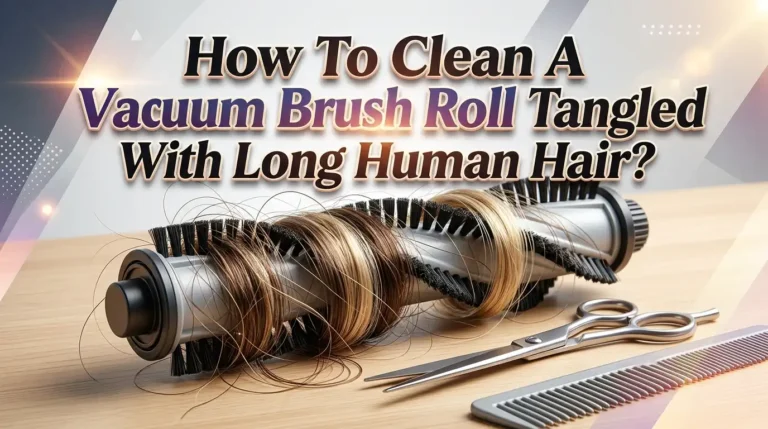
Keep a pair of sharp scissors nearby. You will need them to cut away hair and thread tangled around the old brush roll before you remove it. A seam ripper also works well for stubborn knots.
Grab a small bowl or tray to hold the screws. Vacuum screws are tiny and easy to lose on a carpet or wood floor. Losing one means a frustrating trip to the hardware store. A magnetic tray is even better if you have one.
For the new part, order a brush roll that matches your vacuum brand and model. Look at the bottom or back of your vacuum for the model number. Type that into a search bar along with the words “brush roll replacement” to find the right fit. Buying the wrong size is the most common mistake, so double check the part number on the packaging before you start the swap.
Prepare A Safe Work Area
Pick a flat, open space such as a kitchen floor or a workbench. You need room to lay the vacuum on its back and reach the base plate. Carpet can make small screws roll away, so a hard floor works better.
Unplug the vacuum from the wall before you touch anything. This is the single most important safety step. A vacuum that turns on while your fingers are inside the brush housing can cause cuts or pinched skin.
Lay an old towel or sheet under the work area. Brush rolls collect a surprising amount of dust, pet hair, and grit. The towel catches the mess and makes cleanup quick when you are done.
Have good lighting overhead or use a flashlight. The inside of the brush housing is dark, and you need to see how the belt loops around the motor shaft. A clear view prevents mistakes during reassembly. If you have a phone with a camera, take a few photos as you take things apart. These pictures act as your reference when you put everything back together.
Step One: Flip The Vacuum And Access The Base
Lay the vacuum on its back so the cleaning head faces up. The bottom plate covers the brush roll and belt. This plate is what you need to remove first.
Look around the edges of the base plate for screws. Most uprights have between four and six screws holding it in place. Bissell CleanView models often use six screws, while some Hoover and Shark models use four. Loosen each screw and place it in your tray.
Some vacuums use clips or sliders instead of screws. Press the release tabs or twist the locking dial and the plate will lift free. Read the small icons printed on the plate if you see arrows or symbols, since these often show how to open it.
Once the plate is off, set it aside in a safe spot. You should now see the brush roll, the belt, and the motor shaft. Take a moment to study how the belt loops over the motor pulley and around the brush roll. This is the layout you will recreate with the new parts. Snap a quick photo if you are unsure.
Step Two: Remove The Old Brush Roll
The brush roll usually sits in two end caps that hold it inside the housing. Lift one end of the roll gently. It should pop up with light pressure. If it does not move, check for extra screws or clips at the ends.
As you lift, the belt will go slack. Slide the belt off the brush roll first. Then slide the belt off the motor shaft if you plan to replace it too. Keep track of which side of the belt faces up, since some belts have a textured side.
Pull the old brush roll out of the housing completely. Look at it side by side with the new one. They should match in length, bristle pattern, and end cap shape. If they do not match, stop and confirm you ordered the right part.
Now is the perfect moment to clean the housing. Wipe out dust with a dry cloth. Use scissors to cut away any hair wrapped around the end cap posts. A clean housing helps the new brush roll spin freely. Check the motor shaft for debris as well, since hair can wrap around it and slow the belt.
Step Three: Inspect The Belt Before Installing The New Roll
Before you install the new brush roll, look closely at the belt. A belt that has stretched, cracked, or developed a shiny glaze should be replaced. Belts and brush rolls often wear out together, so swapping both at once is smart.
Stretch the belt gently between your hands. A healthy belt feels firm and springs back fast. A worn belt feels loose and floppy. If you smell burned rubber inside the vacuum, the belt has been slipping and overheating.
Most upright vacuums use a flat rubber belt or a geared belt. Geared belts have teeth that lock into a pulley. Flat belts rely on tension. Check your owner manual to confirm which type your vacuum uses before buying a replacement.
If the belt looks fine, you can reuse it. Just make sure it is free of hair, dust, or oily residue. Wipe it down with a dry cloth. Never use oil or lubricants on a vacuum belt, since this causes slipping. A clean belt and a fresh brush roll work as a team to restore full cleaning power.
Step Four: Install The New Brush Roll
Loop the belt around the motor shaft first. This step is easier when the brush roll is not yet in place. Pull the belt forward and slip it around the center of the new brush roll.
Hold the brush roll by both ends. Line up the end caps with the slots in the housing. Press the roll down into place while keeping tension on the belt. The belt should be tight but not stretched to its limit.
Spin the brush roll with your finger to check the fit. It should turn smoothly and stay centered. If it rubs against the housing or wobbles, lift it out and reseat the end caps. A roll that sits crooked will fail again quickly.
Look at the belt one more time. It should sit flat across the brush roll and the motor shaft. A twisted belt will squeal and slip. Once everything looks right, give the brush roll one more spin by hand. You should see the motor shaft turn slightly with it, which confirms the belt has good grip.
Step Five: Reattach The Base Plate
Place the base plate back over the brush housing. Line up the screw holes carefully. If the plate does not sit flush, something underneath is out of place. Do not force it down, since this can crack the plastic.
Start each screw by hand before using the screwdriver. Hand starting prevents stripped threads and makes sure each screw goes in straight. Turn each screw until it is snug but not overtightened.
Work in a star pattern when tightening, similar to how you tighten lug nuts on a tire. This spreads pressure evenly across the plate. An evenly secured plate keeps the brush roll aligned and reduces vibration during use.
Once all the screws are in, run your finger along the edge of the plate. It should sit flat against the vacuum body with no gaps. Stand the vacuum upright and rock it gently. No parts should rattle or shift. If something sounds loose, open the plate and check again. A solid, quiet base means you are ready to test the vacuum.
Step Six: Test The Vacuum After The Swap
Plug the vacuum back in but keep it in an open area. Turn it on for a brief moment and listen. The motor should sound smooth, and the brush roll should hum at a steady pitch. No grinding, squealing, or burning smells should appear.
Tip the vacuum back into cleaning position. Watch the brush roll if your model has a clear window or indicator light. The bristles should spin fast and evenly. Most uprights spin the brush roll between 1,000 and 3,000 rotations per minute.
Run the vacuum over a small patch of carpet that you know is dirty. Crumbs, pet hair, and lint should disappear in one or two passes. If the floor still looks dirty, check that the height setting matches your carpet type.
Finally, run the vacuum on a hard floor with a few crumbs scattered around. The softer bristles should sweep them into the suction path. If everything picks up cleanly, your repair is a success. You have just saved the cost of a service visit or a new vacuum.
How To Make Your New Brush Roll Last Longer
A new brush roll is an investment in your vacuum. With good care, it can last several years. Cut away hair and string every two or three weeks before they wrap tight around the bar.
Use scissors or a seam ripper to slice along the length of the brush roll. The hair will lift off in strips. Tangled hair adds drag, stretches the belt, and shortens bristle life. This one habit alone doubles the life of most brush rolls.
Avoid running the vacuum over wet spots. Moisture warps the brush roll and rusts the metal shaft. Keep the brush roll lifted or switched off when crossing damp areas. Most uprights have a brush off setting for hard floors and rugs with fringe.
Empty the dust bin or change the bag before it gets full. A clogged vacuum forces the motor to work harder, which strains the belt and slows the brush roll. Clean filters also help airflow stay strong. Finally, store the vacuum in a dry place with the height setting raised, which takes pressure off the bristles between uses.
When To Call A Professional Instead
Most brush roll swaps are simple, but some situations call for expert help. If you cannot find a replacement part for your model, a vacuum repair shop may have access to older or discontinued parts. They also stock generic rolls that fit many brands.
Call a pro if the motor smells burned or trips your breaker. These are signs of electrical damage beyond the brush roll itself. Continuing to use a vacuum with motor problems can damage your home wiring or start a fire.
You should also seek help if the housing is cracked or the end cap slots are broken. A loose brush roll inside a damaged housing will not spin correctly no matter how new it is. Plastic repairs rarely hold up under vibration.
Finally, if your vacuum is under warranty, check the terms before opening it. Some warranties are voided by self repair. Contact the manufacturer first. Many brands offer free or low cost repairs during the warranty period, and they may even ship a new brush roll to your home at no charge.
Frequently Asked Questions
How often should I replace my upright vacuum brush roll?
Most brush rolls last between two and four years with regular home use. Heavy use, pet hair, and shag carpet can shorten that lifespan. Inspect the bristles every six months and replace the roll when they look bent, short, or uneven.
Can I clean a brush roll instead of replacing it?
Yes, cleaning helps if the bristles are still long and stiff. Cut away wrapped hair, wipe off dust, and check the end caps for debris. If the bristles are worn down or the bearings grind, cleaning will not bring it back. Replacement is the only fix at that point.
Are brush rolls universal across vacuum brands?
No, brush rolls are not universal. Each brand and model uses a specific length, bristle pattern, and end cap design. Always look up your vacuum model number before buying a replacement to make sure it fits.
Should I replace the belt at the same time?
It is a smart idea. The belt and brush roll work as a pair, and they often wear out together. Swapping both at once saves you from opening the vacuum a second time a few months later.
Why does my new brush roll still not spin?
Check the belt first. A slipped, twisted, or broken belt is the most common cause. Also confirm the brush roll sits flat in the end caps and the base plate is fully tightened. If the motor shaft does not turn, the issue is electrical and needs professional repair.

Hi, I’m Ivy! I’m a smart home enthusiast and self-proclaimed clean freak who loves testing the latest cleaning tech so you don’t have to waste your money on the wrong one. I started HomeTechClean to share honest reviews and practical advice for anyone who wants a cleaner home with less effort.