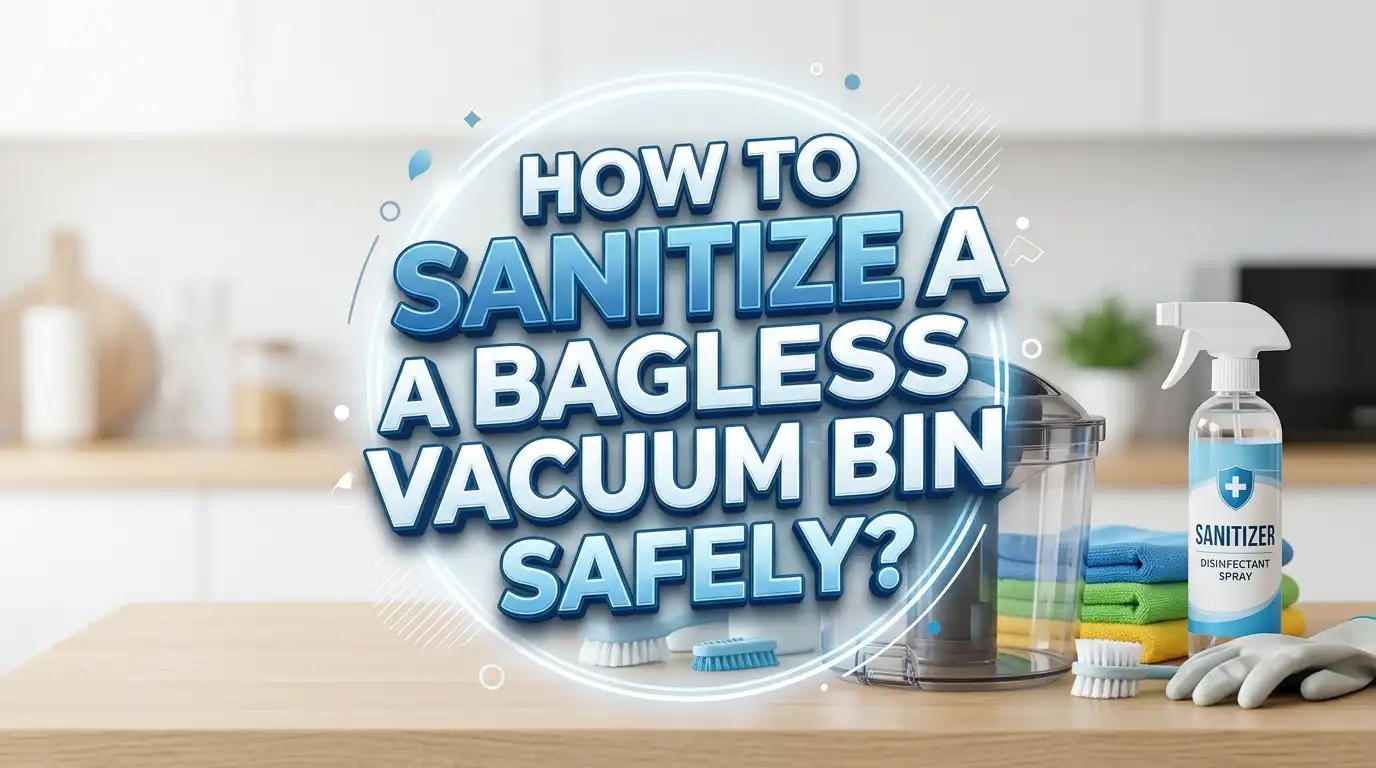
How To Sanitize A Bagless Vacuum Bin Safely?
Your bagless vacuum picks up dust, dirt, pet hair, crumbs, and things you probably do not want to think about. But here is the uncomfortable truth: that dust bin is a breeding ground for bacteria, mold spores, and allergens.
The good news? Sanitizing a bagless vacuum bin is a simple task you can finish in under an hour with items you already own.
This post walks you through every step of the process, from safe disassembly to deep cleaning, drying, and reassembly. You will also learn how often to do it, which cleaning agents are safe, which ones can cause damage, and how to deal with stubborn odors.
Keep reading to protect your home’s air quality, extend your vacuum’s life, and finally get that musty smell out for good.
Key Takeaways
- Empty your bagless vacuum bin after every use or when it reaches 50% to 75% capacity. Letting it overfill reduces suction, strains the motor, and pushes allergens back into the air you breathe.
- Sanitize the entire dust bin at least once a month using warm water, mild dish soap, and white vinegar. This kills bacteria and removes odor without damaging plastic components.
- Never reassemble a wet vacuum bin. Moisture trapped inside the canister or filter housing promotes mold growth and can damage the motor. Allow all parts to air dry for a full 24 hours before putting them back together.
- Avoid bleach and harsh chemical cleaners on your vacuum bin. These can crack or discolor plastic, degrade rubber seals, and leave behind fumes that circulate through your home during the next use.
- Clean or replace filters every three to six months alongside your bin sanitizing routine. A dirty filter undermines even the cleanest dust bin by restricting airflow and releasing particles back into the room.
- Always check your owner’s manual first. Some manufacturers have specific instructions about which parts are washable and which cleaning agents are approved for their products.
Why Your Bagless Vacuum Bin Needs Regular Sanitizing
Most people empty their bagless vacuum bin and call it done. That is not enough. Emptying removes the visible debris, but it does not remove the invisible threats. Research from the University of Queensland found that bacteria and mold thrive in vacuum dust and can become airborne during use.
Every time you vacuum, your machine collects dust mites, pet dander, food particles, skin cells, and pollen. These organic materials create a warm, dark environment inside the bin. That environment is perfect for microbial growth. Over time, a thin film of grime coats the inner walls of the canister. This film harbors bacteria that a quick dump into the trash cannot remove.
The health risks are real. People with asthma, allergies, or weakened immune systems face the greatest danger. Infants and elderly household members are also at higher risk. Bacteria like Salmonella and E. coli have been found surviving in vacuum dust for weeks. Mold spores can remain viable even longer.
Beyond health concerns, a dirty bin reduces your vacuum’s performance. Residue buildup restricts airflow, which weakens suction power and forces the motor to work harder. This shortens the lifespan of your machine and increases your energy bills. Regular sanitizing solves all of these problems at once.
What You Need Before You Start
Gather your supplies before you begin so you can work through the process without interruption. Everything on this list is likely already in your home. You do not need any specialized products or expensive tools.
Here is what you will need: a microfiber cloth, a soft bristle brush or old toothbrush, mild dish soap, white vinegar, baking soda, warm water, a clean towel, and a well ventilated space to work in. You will also need your vacuum’s owner’s manual for reference. If you have lost the physical copy, most manufacturers offer digital versions on their websites.
A can of compressed air is helpful but not required. It is especially useful for blowing dust out of small crevices and filter housing areas that a cloth cannot reach. If you plan to use compressed air, do this step outdoors to avoid spreading fine particles throughout your home.
Avoid gathering bleach, ammonia based cleaners, or abrasive scrubbing pads. These products cause real damage to plastic vacuum components. Bleach can crack and discolor the bin over time. Abrasive pads scratch the interior surface, creating grooves where bacteria hide and multiply. Stick with gentle, natural cleaning agents for the safest and most effective results.
Set aside approximately 30 to 45 minutes for the active cleaning process. You will also need to plan for 24 hours of drying time before you can use the vacuum again. Many people choose to sanitize their vacuum bin on a day when they do not need to vacuum.
How To Safely Remove the Dust Bin From Your Vacuum
The first step is disconnecting the dust bin from the vacuum body. Always unplug your vacuum or remove the battery before disassembly. This is a basic safety precaution that prevents accidental startup while your hands are near moving parts.
Every vacuum brand uses a slightly different release mechanism. Most bagless models have a button or latch that releases the canister with a simple press or slide. Dyson models typically use a red button near the top of the bin. Shark vacuums often feature a release latch on the handle. Bissell models may require you to lift a lever. Consult your owner’s manual if you are unsure about the correct release method for your specific model.
Once released, hold the bin upright to prevent loose debris from spilling. Carry it directly to a trash can, preferably outdoors, and empty the contents. Tap the sides gently to dislodge any clinging dust or hair. Do not bang the bin against hard surfaces, as this can crack the plastic or damage the seal.
After emptying, look inside the bin for any visible buildup, sticky residue, or discoloration. Take note of any odor. These observations will help you determine how thorough your cleaning needs to be. A bin with heavy buildup may need extra soaking time during the wash step.
Step By Step Guide To Washing the Dust Bin
Now that the bin is empty and removed, it is time to wash it. This step removes the grime, bacteria, and residue that simple emptying leaves behind. Fill your kitchen sink or a large basin with warm water and add a few drops of mild dish soap. Avoid hot water, as extreme heat can warp certain types of plastic.
Submerge the dust bin in the soapy water and let it soak for 10 to 15 minutes. This loosening period softens dried on debris and makes scrubbing much easier. While the bin soaks, use this time to wipe down the area of the vacuum where the bin connects. A damp microfiber cloth works well for this.
After soaking, use a soft bristle brush or old toothbrush to scrub the interior walls of the bin. Pay extra attention to the bottom corners and any ridges or grooves where dust tends to accumulate. These hidden spots are where bacteria colonies form most often.
Rinse the bin thoroughly under warm running water. Make sure all soap residue is completely gone. Leftover soap can create a film that attracts dust faster once the bin is back in use. Hold the bin up to a light source and inspect the interior. If you still see residue, repeat the scrubbing and rinsing process.
How To Disinfect the Bin With Vinegar and Baking Soda
Washing removes dirt, but disinfecting kills the germs. White vinegar is a natural disinfectant that is safe for plastic surfaces. It eliminates bacteria, neutralizes odors, and leaves no harmful chemical residue behind.
After washing and rinsing the bin, spray or pour a solution of equal parts white vinegar and warm water into the canister. Let it sit for five to ten minutes. The acetic acid in vinegar breaks down bacterial cell walls and kills most common household germs. You will notice the vinegar smell is strong during this step, but it dissipates completely once the bin dries.
For stubborn odors or heavy buildup, add baking soda to the process. Sprinkle two tablespoons of baking soda into the bin, then add the vinegar solution. The fizzing reaction helps lift stuck on residue from the plastic surface. Let the fizzing action work for a few minutes, then scrub gently with your brush.
Rinse the bin thoroughly under clean running water after the vinegar treatment. Every trace of baking soda and vinegar must be rinsed away. Any residue left behind can clog small openings or interfere with the bin’s seal when reassembled.
This vinegar and baking soda method is effective, affordable, and safe for all standard bagless vacuum bins. It avoids the risks associated with harsh chemical cleaners while delivering a level of sanitation that soap and water alone cannot achieve.
The Critical Importance of Proper Drying
This is the step most people rush through, and it is the step that causes the most problems. Putting a damp bin back into your vacuum is worse than not cleaning it at all. Moisture inside a sealed vacuum creates the exact conditions mold needs to grow rapidly.
After rinsing, shake the bin gently to remove excess water. Place it upside down on a clean, dry towel in a well ventilated area. If possible, set it near a window or in a spot with good air circulation. Do not use a hair dryer or place it in direct sunlight, as concentrated heat can warp the plastic.
Allow the bin to air dry for a minimum of 24 hours. This recommendation comes directly from manufacturers like Bosch, who specify room temperature drying for at least a full day. If you live in a humid climate, you may need to extend this time to 36 or even 48 hours.
Before reassembling, run your fingers along the inside of the bin to check for any remaining moisture. Even a small amount of dampness can lead to mold growth within days. If the bin still feels damp in any area, give it more time. The patience you invest in proper drying protects both your vacuum and your household’s air quality.
How To Clean the Filters During Bin Sanitizing
Since you already have the bin out and the vacuum disassembled, this is the perfect time to clean the filters. Dirty filters cancel out the benefits of a clean bin. They restrict airflow, reduce suction, and release trapped particles back into your home.
Most bagless vacuums have two or three filters: a pre motor filter, a post motor filter, and sometimes a HEPA exhaust filter. Check your manual to identify which filters your model uses and whether they are washable or replaceable. Never wash a filter that the manufacturer labels as replaceable only, as water can destroy its structure.
For washable filters, remove them and tap them gently over a trash can to dislodge loose dust. Then rinse them under cool running water. Do not use soap on filters unless your manual specifically allows it. Squeeze foam filters gently to push water through them. Repeat the rinsing until the water runs clear.
Filters need even more drying time than the bin. Lay them flat on a clean towel and allow 24 to 48 hours for complete drying. A damp filter placed back into a vacuum will grow mold quickly and can also damage the motor by restricting airflow.
Cleaning experts recommend cleaning washable filters every one to three months and replacing non washable filters every three to six months. Following this schedule keeps your vacuum performing at peak efficiency.
Dealing With Stubborn Odors in Your Vacuum Bin
A foul smell coming from your vacuum is one of the most common complaints among bagless vacuum owners. The odor usually comes from trapped bacteria, mold, or decomposing organic matter inside the bin or filter housing. Pet owners and households with young children tend to experience this problem more frequently.
If the standard wash and vinegar treatment does not eliminate the smell, try this approach. After washing the bin, create a paste using three tablespoons of baking soda and a small amount of water. Apply the paste to the interior walls of the bin and let it sit for 30 minutes. Baking soda is one of the most effective natural odor absorbers available. After 30 minutes, scrub the paste away and rinse the bin thoroughly.
For odors that persist in the vacuum body itself, wipe down the interior cavity with a cloth dampened in a vinegar and water solution. Check the hose as well. Detach it and run warm water through it, followed by half a cup of baking soda and two cups of vinegar. The fizzing action cleans the interior walls of the hose and removes trapped odor sources.
A few drops of essential oil on a cotton ball placed inside the dried bin can add a pleasant scent. However, this is purely optional and does not replace actual sanitizing. The goal is to eliminate the source of the odor, not to mask it.
How Often Should You Sanitize Your Vacuum Bin
Frequency depends on your household conditions. The general recommendation is a full sanitizing session once per month. This applies to average homes with moderate vacuuming schedules of two to three times per week.
Certain situations require more frequent sanitizing. If you have multiple pets that shed heavily, increase your schedule to every two weeks. Households with allergy or asthma sufferers should also follow a biweekly schedule. If anyone in your home is immunocompromised, monthly sanitizing is the absolute minimum and every two weeks is strongly preferred.
Between full sanitizing sessions, quick maintenance goes a long way. Empty the bin after every single use. Wipe the interior with a dry microfiber cloth each time you empty it. This takes less than a minute and prevents the buildup that makes monthly deep cleaning harder.
Seasonal factors also play a role. Spring and fall bring higher pollen counts, which means your vacuum collects more allergens during these months. Consider adding an extra sanitizing session during peak allergy seasons. The effort is small, but the impact on your indoor air quality is significant.
Track your sanitizing schedule on a calendar or set a recurring reminder on your phone. Consistency matters more than perfection. A vacuum bin cleaned on a regular schedule will always outperform one that gets a single deep clean once a year.
Common Mistakes That Damage Your Vacuum Bin
Several well intentioned cleaning habits actually cause harm. Knowing what to avoid is just as important as knowing what to do. Here are the most common mistakes and how to prevent them.
Using bleach or ammonia based cleaners tops the list. These chemicals are too harsh for vacuum bin plastics. They cause cracking, discoloration, and degradation of rubber gaskets and seals. Once a seal is damaged, your vacuum loses suction permanently until you replace the part.
Running the bin through a dishwasher is another frequent mistake. The extreme heat and aggressive detergents in a dishwasher cycle can warp the bin and destroy any integrated components. Always hand wash your vacuum bin using the gentle methods described in this guide.
Reassembling the vacuum before everything is completely dry ranks as the most damaging mistake of all. Moisture trapped inside the machine promotes mold growth and can cause electrical problems. If you are unsure whether a part is dry, give it more time. There is no downside to extra drying.
Banging the bin against a hard surface to dislodge debris is also problematic. This can crack the plastic, especially at stress points near the release mechanism. Instead, tap the sides gently with your palm or use a soft brush to dislodge stubborn debris.
Sanitizing Tips for Pet Owners
Pet owners face unique challenges with vacuum bin hygiene. Animal hair, dander, saliva residue, and tracked in outdoor debris create a heavier biological load in the dust bin compared to pet free homes.
The most important habit for pet owners is emptying the bin after every single vacuuming session. Pet hair compacts tightly inside the bin and traps moisture from saliva and dander. This compressed material becomes a hotbed for bacterial growth within days. Waiting until the bin is full is never acceptable in a home with pets.
During your sanitizing routine, spend extra time scrubbing the bottom of the bin where pet hair tends to mat down and stick. A soft bristle brush works best for loosening this compacted material. If pet hair has dried onto the bin walls, the 10 to 15 minute soak in soapy water will soften it significantly.
Consider sanitizing your bin every two weeks instead of monthly. This frequency prevents the rapid bacterial buildup that pet debris causes. Also inspect and clean your brush roll at the same time, as pet hair wraps around it quickly and reduces cleaning performance.
For homes with multiple large dogs or cats that shed heavily, weekly bin sanitizing may be necessary during peak shedding seasons in spring and fall. The time investment is small compared to the health benefits of maintaining clean indoor air.
How Proper Sanitizing Extends Your Vacuum’s Lifespan
A clean vacuum is a vacuum that lasts longer. Regular sanitizing directly protects the components that are most expensive to repair or replace. The motor, seals, filters, and suction pathways all benefit from a clean dust bin.
Residue buildup inside the bin restricts airflow through the entire vacuum system. The motor compensates by working harder, which generates excess heat. Over months and years, this extra strain causes premature motor burnout. Replacing a vacuum motor often costs nearly as much as buying a new vacuum. Regular bin sanitizing prevents this scenario entirely.
Clean bins also protect the rubber seals and gaskets that maintain suction. Grime and chemical residue degrade these components over time. Once a seal fails, air leaks reduce cleaning performance and allow dust to escape into places it should not reach.
A well maintained bagless vacuum can last eight to ten years or more. A neglected one may fail in three to five years. The difference often comes down to basic maintenance habits like regular bin sanitizing, filter cleaning, and timely emptying.
Think of sanitizing as an investment rather than a chore. The 30 minutes you spend each month saves you hundreds of dollars in repairs and replacement costs over the life of your vacuum. It also ensures that every vacuuming session delivers maximum cleaning power from start to finish.
Quick Reference Sanitizing Checklist
Keep this summary handy for your next cleaning session. Following these steps in order ensures a thorough and safe sanitizing process every time.
Start by unplugging the vacuum or removing the battery. Remove the dust bin using the manufacturer’s release mechanism. Empty all contents into a trash bag, preferably outdoors. Tap the sides gently to dislodge clinging debris.
Fill a basin with warm water and a few drops of dish soap. Submerge the bin and soak for 10 to 15 minutes. Scrub the interior with a soft brush, paying close attention to corners and grooves. Rinse thoroughly under clean running water until no soap remains.
Apply a 50/50 solution of white vinegar and water to the bin interior. Let it sit for five to ten minutes. For tough odors, add baking soda before the vinegar and let it fizz. Scrub again and rinse completely.
Place the bin upside down on a towel and air dry for 24 hours minimum. Check for moisture before reassembling. Clean filters at the same time and allow them to dry separately.
Reassemble all parts according to your owner’s manual. Do a quick test run to confirm proper suction and airflow. Mark your calendar for the next sanitizing session in two to four weeks depending on your household needs.
Frequently Asked Questions
Can I use rubbing alcohol to sanitize my vacuum bin?
Rubbing alcohol evaporates quickly and does kill bacteria on contact. However, it can damage certain types of plastic over time with repeated use. A white vinegar and water solution is the safer long term choice for regular sanitizing. If you do use rubbing alcohol, dilute it with water and limit use to occasional deep cleaning sessions rather than every month.
Is it safe to put my vacuum bin in the dishwasher?
No. Dishwashers use extremely hot water and aggressive detergents that can warp, crack, or discolor your vacuum bin. The high heat may also damage rubber seals and integrated components. Always hand wash your bin with warm (not hot) soapy water for the safest results.
How do I know if mold is growing inside my vacuum bin?
Visible mold appears as dark spots, fuzzy patches, or green and black discoloration on the bin walls. A persistent musty smell even after emptying is another strong indicator. If you find mold, sanitize the bin immediately using the vinegar and baking soda method described in this guide. Severe mold may require replacing the bin entirely.
Can I vacuum without the bin while it is drying?
No. Operating a bagless vacuum without the dust bin can damage the motor and internal components. Dust and debris will enter areas of the machine that are not designed to handle them. Plan your sanitizing for a day when you will not need to vacuum, or use an alternative cleaning method like sweeping while the bin dries.
Should I wear a mask while sanitizing my vacuum bin?
Wearing a dust mask is a smart precaution, especially if you have allergies or respiratory sensitivities. Fine dust particles become airborne when you empty and handle the bin. A basic disposable mask provides adequate protection during the emptying and initial cleaning steps.
How can I prevent bad smells between sanitizing sessions?
Empty the bin after every use and wipe the interior with a dry microfiber cloth. Sprinkle a small amount of baking soda into the empty bin before your next vacuuming session. The baking soda absorbs odors as you vacuum. You can also place a fresh dryer sheet or a cotton ball with a drop of essential oil inside the clean bin for a pleasant scent between deep cleans.

Hi, I’m Ivy! I’m a smart home enthusiast and self-proclaimed clean freak who loves testing the latest cleaning tech so you don’t have to waste your money on the wrong one. I started HomeTechClean to share honest reviews and practical advice for anyone who wants a cleaner home with less effort.