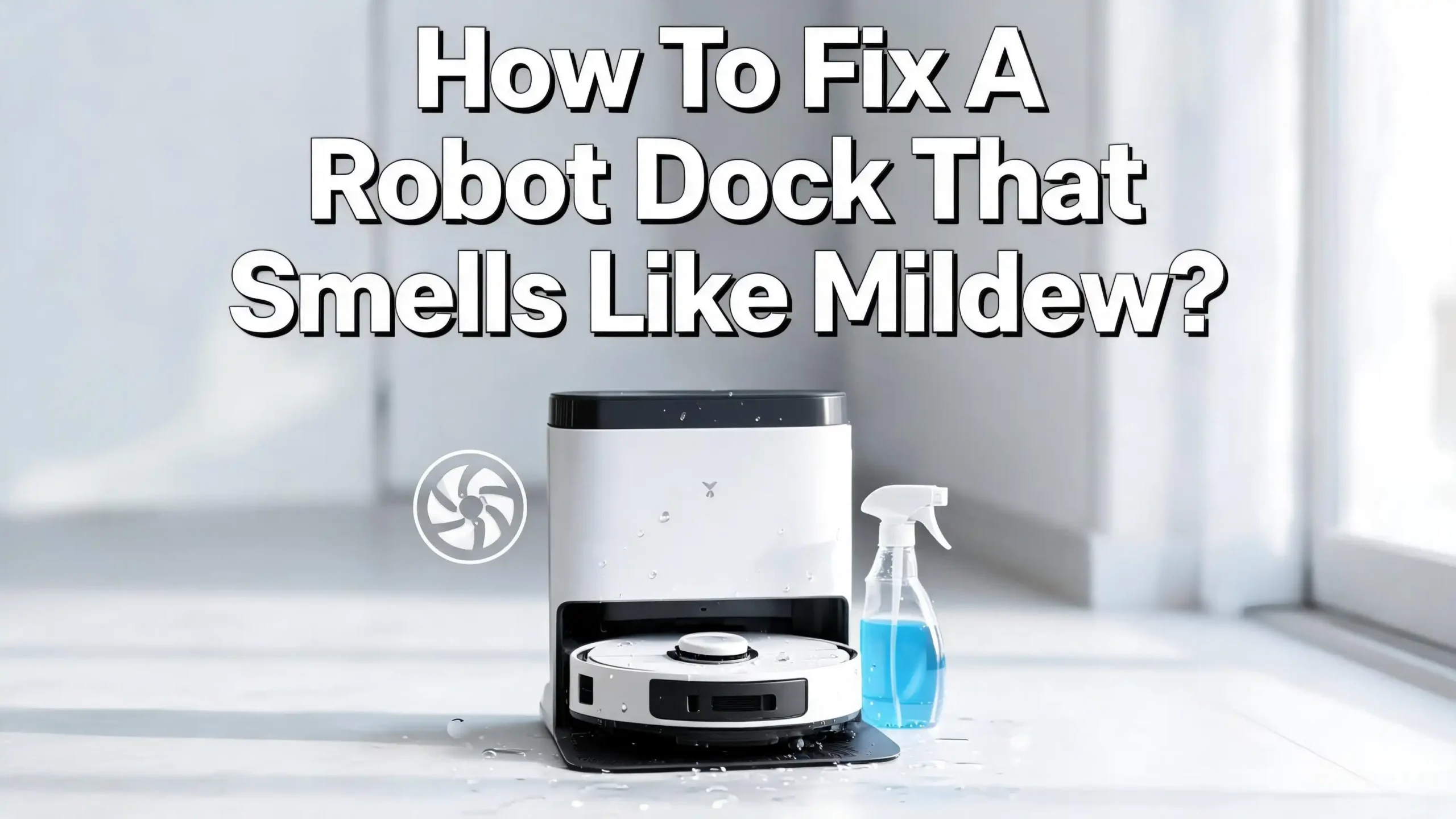
How To Fix A Robot Dock That Smells Like Mildew?
If you walk into your room and notice a musty, damp smell coming from the corner where your robot vacuum lives, you are not alone. A mildew smell from a robot dock is one of the most common complaints among robot vacuum owners, and it can make your whole house feel dirtier than before you even started cleaning.
The good news is that this problem is almost always fixable without calling a technician or buying new equipment.
This guide breaks down every possible cause of the mildew smell in your robot dock and gives you clear, step-by-step actions to eliminate it for good. You will also learn how to stop the smell from coming back so you never have to deal with this problem again.
In a Nutshell
- The mildew smell in your robot dock is almost always caused by trapped moisture. Water sitting in tanks, wet mop pads left inside the dock, and humid environments create the perfect conditions for mold and mildew to grow.
- Dirty water tanks are the number one source of the smell in robot mop docks. Stagnant dirty water breeds bacteria and biofilm quickly, especially in warm climates. Emptying and rinsing the waste water tank every two to three days prevents this.
- Mop pads left attached to the robot or inside the dock while still wet will grow mildew within hours. Always remove mop pads after each cleaning cycle, wash them with antibacterial detergent, and let them air dry completely before reuse.
- The dock’s interior walls, tray, and internal hoses can harbor mold even if the tanks look clean. You need to physically wipe and scrub these areas regularly with a soft brush and a mild cleaning solution such as diluted dish soap or a small splash of mouthwash in the waste tank.
- Storage location matters more than most people realize. Placing your robot dock in a humid room, against a cold wall, or in a poorly ventilated corner accelerates moisture buildup and mildew growth inside the unit.
- Consistent, simple maintenance is the only permanent fix. A quick clean every two to three days takes less than five minutes and keeps mildew smells completely away for good.
Why Your Robot Dock Smells Like Mildew?
Before you start scrubbing, it helps to understand exactly what mildew is and why your dock is such a perfect place for it to grow. Mildew is a type of mold that thrives in moist, warm, and dark conditions. Your robot dock checks all three of those boxes, especially if it has a self-cleaning feature with water tanks.
Every time your robot vacuum mops the floor, it picks up dirt, bacteria, grease, and organic debris from your floors. All of that gets carried back to the dock in the form of dirty water. If that water sits in a sealed or semi-sealed plastic tank for more than a day or two, bacteria begin to multiply rapidly. The bacteria produce waste gases, and those gases are exactly what you are smelling when you detect that musty or mildewy odor near your dock.
Even robots without mopping features can develop dock odors. A dusty, poorly ventilated dock combined with the heat from charging electronics creates a microenvironment where mold spores, which are always floating in household air, can settle and grow on plastic surfaces. The smell from those situations is typically fainter than a water tank smell, but it is still unpleasant.
Understanding the root cause is the first step toward a permanent solution rather than a temporary fix.
Step One: Unplug and Fully Disassemble the Dock
Safety comes first before you start any cleaning process. Always unplug your robot dock from the wall outlet before touching any internal components. This protects both you and the electronics inside the unit.
Once it is unplugged, remove every detachable component you can access. This typically includes the dirty water tank, the clean water tank, the mop pad tray, the dust bag or dustbin, and any removable trays or covers. Set each part aside on a clean, dry surface.
Take a moment to inspect each part as you remove it. Look for visible slime, pink or black spots, or a white filmy residue. These are all signs of active mold or bacteria colonies. Knowing exactly where the contamination is concentrated helps you focus your cleaning effort on the right places and ensures you do not miss any hidden growth spots.
Lay a few paper towels or an old towel underneath where you are working to catch any drips. Dirty water tanks in particular can still contain residual liquid even when the dock’s indicator says the tank is empty.
Step Two: Tackle the Dirty Water Tank First
The dirty water tank is almost always the primary source of the mildew smell in a robot mop dock. This tank collects all the filthy rinse water from your mop pads, and that water contains floor grime, pet hair particles, cleaning solution residue, bacteria, and organic matter.
Start by emptying any remaining water into your toilet or sink. Rinse the tank under warm running water two or three times. Then add a small amount of mild dish soap and a cup of warm water. Put the cap back on and shake the tank vigorously for about thirty seconds. Empty that soapy water and rinse the tank thoroughly again until the water runs clear.
A capful of alcohol-free mouthwash added to the empty tank after rinsing is one of the most effective tricks reported by experienced robot vacuum users. Mouthwash contains antibacterial compounds that inhibit bacterial growth inside the tank between uses. It does not harm the plastic and leaves the tank smelling neutral or faintly fresh.
Another option that works well is adding a small splash of diluted white vinegar to the rinsed tank. Vinegar is naturally antibacterial and antifungal. Use it sparingly, as concentrated vinegar can affect rubber seals over time if applied repeatedly in large amounts.
Step Three: Deep Clean the Clean Water Tank
The clean water tank does not seem like a problem area at first glance, but it can absolutely develop a mildew smell on its own. Stagnant clean water that sits in the tank for several days without use can grow bacteria, especially in warm rooms or during summer months.
Empty the clean water tank completely. Rinse it under warm water and use a soft bottle brush to scrub the interior walls if the tank opening is large enough. Many robot vacuum clean water tanks have narrow openings, so you can fill the tank halfway with warm water, add a drop of dish soap, close it, and shake it well.
After rinsing, leave the clean water tank open to air dry completely before refilling it. Never refill a tank that still has any moisture or residue clinging to the inside walls. That residue is often a biofilm, which is a thin layer of bacteria that forms on wet surfaces, and refilling over it just feeds more bacteria.
Developing a habit of emptying the clean water tank if your robot is not going to run for more than two days will make a significant difference in preventing smell buildup.
Step Four: Scrub the Dock’s Wash Tray and Interior Surfaces
The wash tray or mop washing area inside the dock is a heavily overlooked cleaning target. This is the area where the dock mechanically scrubs or rinses the mop pads, and it collects an enormous amount of dirt, soap residue, and organic debris with each cleaning cycle.
Remove the wash tray if it is detachable. Soak it in warm soapy water for five to ten minutes. Use an old toothbrush or a small cleaning brush to scrub every groove, channel, and corner. Pay extra attention to areas where the tray meets the dock body, as mold loves to grow in those tight joints.
For the interior walls and base of the dock itself, dampen a microfiber cloth with warm water and a tiny amount of dish soap. Wipe down every surface you can reach. Use a cotton swab or a small brush to get into tight corners and narrow channels. Visible slime or pink discoloration means active bacterial growth, and those areas need extra attention and repeated wiping.
Rinse your cloth frequently as you clean to avoid spreading the bacteria to other parts of the dock. After wiping with soapy water, do a final wipe with a clean damp cloth to remove all soap residue, then dry the surfaces with a dry cloth.
Step Five: Clean or Replace the Mop Pads
Mop pads are a major mildew factory if they are not handled correctly. A wet microfiber mop pad left attached to the robot or stored inside the dock creates warm, moist conditions that allow mildew to bloom within just a few hours. The smell from mildewed mop pads is intense and can spread to the dock, the robot, and even the surrounding air.
Remove all mop pads from the robot and from the dock. Wash them in warm water with an antibacterial laundry detergent. If the pads have visible mold spots or smell very strongly, soak them in a solution of one part white vinegar to two parts warm water for fifteen to thirty minutes before washing. Then wash them normally and rinse thoroughly.
Always let mop pads air dry completely before reattaching them to the robot or storing them in or near the dock. Hanging them in a well-ventilated area, ideally with some sunlight exposure, is the fastest and most effective way to dry them. Natural sunlight also has mild antibacterial properties that help freshen the pads.
If your mop pads are old, discolored, or permanently stained with slime even after washing, replace them. Worn mop pads hold more moisture and bacteria than new ones.
Step Six: Address Mildew on the Dock’s Exterior and Charging Contacts
The outside of the dock also needs attention, even though it does not hold water. Dust settling on a slightly damp surface, combined with heat from the charging electronics, can create localized mold growth on the plastic exterior of the dock.
Dampen a microfiber cloth with plain warm water and wipe down the entire outside of the dock. For stubborn grime, add a very small amount of dish soap to the cloth. Then wipe the whole exterior again with a clean damp cloth to remove any soap residue, and finish with a dry cloth.
Pay careful attention to the charging contact pins on the dock. These are the small metal contacts that connect with the robot to charge it. Use a dry microfiber cloth or a soft dry brush to gently clean these contacts. Never use liquid directly on the charging contacts, as moisture near electrical components can cause corrosion or short circuits.
Also wipe the underside of the dock and the area where the dock sits on the floor. Dust and moisture accumulate under the unit over time, and that can feed mold growth on both the dock and the floor surface beneath it.
Step Seven: Run a Self-Clean Cycle with a Cleaning Solution
If your robot dock has a self-cleaning function, use it as part of your odor-removal process. Running a self-clean cycle with a proper cleaning solution flushes the internal hoses, pumps, and washing mechanisms that you cannot reach by hand.
Fill the clean water tank with clean water. Add a small amount of the cleaning solution recommended by your robot vacuum’s manufacturer. Start a self-clean or mop washing cycle from the robot’s app. Let the full cycle complete so the solution moves through the entire internal water circuit.
After the cycle finishes, empty the dirty water tank. Then run one more self-clean cycle with plain clean water only. This rinses away any cleaning solution residue from the internal components. This double-cycle approach clears out any hidden mildew in hoses and pumps that simple hand cleaning cannot reach.
Do not use undiluted bleach, essential oils, or thick cleaning pastes in a self-clean cycle. These can damage internal pump seals or leave residue that causes new odor problems.
Step Eight: Treat Lingering Odors with Baking Soda
After you have done the physical cleaning, a faint mildew odor may still linger in the dock area. This is normal because mold spores release airborne volatile compounds that can cling to plastic surfaces even after the visible mold is removed.
Sprinkle a small amount of baking soda inside the empty dock body, particularly in the mop washing tray and any trays that held water. Leave the baking soda in place for one to two hours. Baking soda is a natural odor absorber and it neutralizes acidic bacterial waste compounds that cause the musty smell.
After one to two hours, use a dry cloth or a soft brush to sweep out all the baking soda thoroughly. Make sure no baking soda remains in the water tanks or near any pump openings, as it can clog fine filters or narrow water channels if it gets drawn into the water circuit.
You can also place a small open container of activated charcoal near the dock. Activated charcoal is more powerful than baking soda at absorbing airborne odors and it works passively over days and weeks to keep the dock’s surrounding air fresh.
Step Nine: Dry Everything Completely Before Reassembling
This step sounds obvious, but it is the step most people skip in their rush to get the robot back in action. Reassembling even slightly damp components is the single fastest way to recreate a mildew problem within twenty-four hours.
After cleaning all parts, set them out on a clean dry towel in a well-ventilated area. Allow at least two to four hours of air drying time for plastic parts. Mop pads and fabric components need more time, often twelve to twenty-four hours depending on their thickness.
If you want to speed up the drying process, place the parts near a fan or in a room with low humidity. Avoid using a hot hair dryer on plastic parts, as high heat can warp thin plastic trays and water tank walls. Gentle air drying at room temperature is the safest and most effective method.
A simple way to check if a plastic tank is truly dry is to hold it up to a light. If you see any water droplets clinging to the inside walls, give it more time before reassembling.
Step Ten: Improve Ventilation Around the Dock Location
Where you place your robot dock has a direct impact on whether mildew smells come back. A dock placed in a low-airflow area, tucked behind furniture, in a humid bathroom hallway, or against a cold exterior wall, will develop mildew problems much faster than a dock placed in an open, well-ventilated space.
Move your dock away from walls and furniture by at least a few inches to allow air to circulate around it. Choose a location with good natural air movement, ideally a room where a window is occasionally opened or where a ceiling fan operates.
Avoid placing the dock in laundry rooms, bathroom hallways, or near kitchen sinks where ambient humidity is consistently high. High ambient humidity feeds mold growth not just in the dock’s water tanks but on every plastic surface inside the unit.
If you cannot change the dock’s location due to furniture layout, consider running a small dehumidifier in the same room or using moisture-absorbing products near the dock to reduce the local humidity level.
Step Eleven: Set a Regular Cleaning Schedule to Prevent Recurrence
The most powerful weapon against a smelly robot dock is a consistent maintenance routine. You do not need to do a deep clean every day, but a few quick daily and weekly habits will prevent mildew from ever returning.
Daily habits you should build:
- Remove and rinse the dirty water tank after each mopping session, or at minimum every two days.
- Remove mop pads from the robot after each cleaning cycle, wash them, and let them dry before the next cycle.
- Refill the clean water tank with fresh water rather than topping up old water that has been sitting for more than two days.
Weekly habits to maintain:
- Wipe down the dock’s wash tray and interior surfaces with a damp cloth and mild soap.
- Run a self-clean cycle with the recommended cleaning solution if your dock supports it.
- Inspect mop pads for signs of mildew growth or damage and replace them if needed.
Monthly habits for a thorough reset:
- Perform a complete disassembly and deep clean of all removable parts.
- Check internal hose connections and pump areas for any biofilm or slime buildup.
- Wipe down the dock exterior and clean the charging contacts.
Sticking to this schedule consistently means you will spend less than five minutes per day on dock maintenance and never have to deal with a strong mildew smell again.
Step Twelve: When to Consider Professional Service or Replacement Parts
Sometimes, even thorough cleaning does not fully eliminate the mildew smell. This usually means the mold has penetrated internal components that cannot be accessed for manual cleaning. Internal hoses, rubber seals, and plastic pump chambers can harbor deep-seated mold colonies that require either professional service or part replacement.
Contact your robot vacuum manufacturer’s customer support if the smell persists after multiple deep cleaning sessions. Many brands offer replacement water tanks, mop trays, and internal pump kits at reasonable prices. Replacing just the dirty water tank, which is usually the most contaminated part, can sometimes solve a persistent smell problem entirely.
If your dock is older than two to three years and has been experiencing recurring mildew smells despite regular cleaning, it may be worth evaluating whether the dock’s seals and internal components have degraded to the point where they are holding bacteria in microscopic cracks. Old or degraded rubber seals are very difficult to clean effectively and are a common source of stubborn odors in aging robot docks.
Before concluding that a replacement is necessary, check your manufacturer’s warranty terms. Many robot vacuum brands cover dock defects including excessive internal odor issues within the warranty period.
Quick Reference: Cleaning Products That Are Safe for Robot Docks
Not every cleaning product is safe to use on your robot dock’s internal components. Using the wrong product can damage seals, void your warranty, or create new smell problems by leaving residue that feeds bacteria.
Safe options to use:
- Mild dish soap diluted in warm water works well for scrubbing tanks, trays, and interior surfaces.
- A small splash of alcohol-free mouthwash in the dirty water tank inhibits bacterial growth effectively.
- Diluted white vinegar can be used on plastic tank walls sparingly, not repeatedly on rubber seals.
- Baking soda placed inside empty, dry components absorbs lingering odors safely.
- Activated charcoal near the dock absorbs airborne odors passively.
Products to avoid or use with extreme caution:
- Undiluted bleach can degrade rubber seals and some plastics with repeated use, though a very small diluted amount is tolerated by many docks.
- Essential oils and liquid air fresheners can leave an oily film that feeds biofilm growth over time and may affect plastic or seals.
- Isopropyl alcohol at high concentration can affect certain plastics and rubber seal materials with repeated exposure.
- Harsh toilet bowl cleaners and descalers contain strong acids that can corrode internal pump components.
When in doubt, check your robot vacuum’s manual or manufacturer’s website for approved cleaning agents before using any product inside the dock’s water circuit.
Frequently Asked Questions
Why does my robot dock smell musty even though I clean it regularly?
A musty smell that persists despite regular cleaning usually means there is mold or bacteria in internal areas you are not reaching. The internal hoses, pump chambers, and narrow channels inside self-cleaning docks can harbor bacteria even when the tanks and trays look clean. Run a self-clean cycle with an approved cleaning solution to flush those internal components. Also check whether your mop pads are being fully dried before each use, since damp pads reintroduce moisture into the dock every cycle.
How often should I empty the dirty water tank in my robot dock?
You should empty and rinse the dirty water tank every one to two days during regular use. If you live in a warm or humid climate, emptying it daily is even better. Stagnant dirty water begins growing bacteria within twenty-four to forty-eight hours in warm conditions. Emptying the tank frequently and adding a small splash of mouthwash or diluted dish soap to the empty tank prevents biofilm and odor from developing.
Can I use bleach to clean my robot dock’s water tanks?
A very small amount of diluted bleach, such as a teaspoon mixed with a full cup of water, can be used to rinse the dirty water tank without causing immediate damage. However, repeated use of bleach can degrade rubber seals and gaskets over time. Mild dish soap or diluted white vinegar is a safer choice for regular use. If you do use bleach occasionally for a heavy-duty clean, rinse the tank several times with plain water afterward to remove all traces.
Why do my mop pads always smell mildewy even after washing?
If washed mop pads still smell mildewy, they are either not drying completely before reuse or the mold is too embedded in the microfiber fibers to be removed by a normal wash cycle. Soak the pads in a solution of one part white vinegar to two parts warm water for thirty minutes before washing. Then wash with antibacterial detergent and air dry in a well-ventilated area with good sunlight exposure. If the smell persists after this treatment, the pads are past their useful life and should be replaced.
Does the placement of my robot dock affect mildew smell?
Yes, placement has a significant impact. Docks placed in humid environments, tight enclosed spaces, or against cold exterior walls experience faster mildew growth. Good airflow around the dock helps moisture evaporate quickly rather than settling on internal surfaces. Place your dock in a dry, well-ventilated room, away from walls and furniture. If the dock is in a naturally humid room, running a dehumidifier nearby helps control the environment and reduces mildew risk.
How do I stop mold from growing in the clean water tank?
Mold can grow in the clean water tank when fresh water sits unused for more than two to three days. Empty the clean water tank completely if you know the robot will not run for several days. Rinse it with warm water, leave it open to air dry, and refill it with fresh water before the next scheduled cleaning run. Never leave clean water sitting in the tank for more than three days, especially in warm weather or in a humid room.
What is biofilm and why does it cause such a strong smell in my robot dock?
Biofilm is a thin, slimy layer of bacteria and other microorganisms that forms on moist plastic and rubber surfaces. It produces gases and organic compounds as it grows, and those compounds are what create the strong musty or sewage-like smell you notice in a neglected dirty water tank. Biofilm is more resistant to cleaning than free-floating bacteria because the microorganisms protect each other within the layer. Mechanical scrubbing with a brush and soap is the most effective way to break it up and remove it from tank walls and trays.
Is it normal for a brand new robot dock to smell?
A very faint chemical or plastic smell from a brand new dock is normal and comes from the manufacturing materials. It typically fades within a few uses. However, a mildew or musty smell in a brand new dock is not normal and could indicate that the unit was stored in a humid environment before delivery. Run a full self-clean cycle with clean water before your first use, leave all tanks and trays open to air for a few hours, and the smell should resolve. If it does not, contact the manufacturer for a replacement.

Hi, I’m Ivy! I’m a smart home enthusiast and self-proclaimed clean freak who loves testing the latest cleaning tech so you don’t have to waste your money on the wrong one. I started HomeTechClean to share honest reviews and practical advice for anyone who wants a cleaner home with less effort.