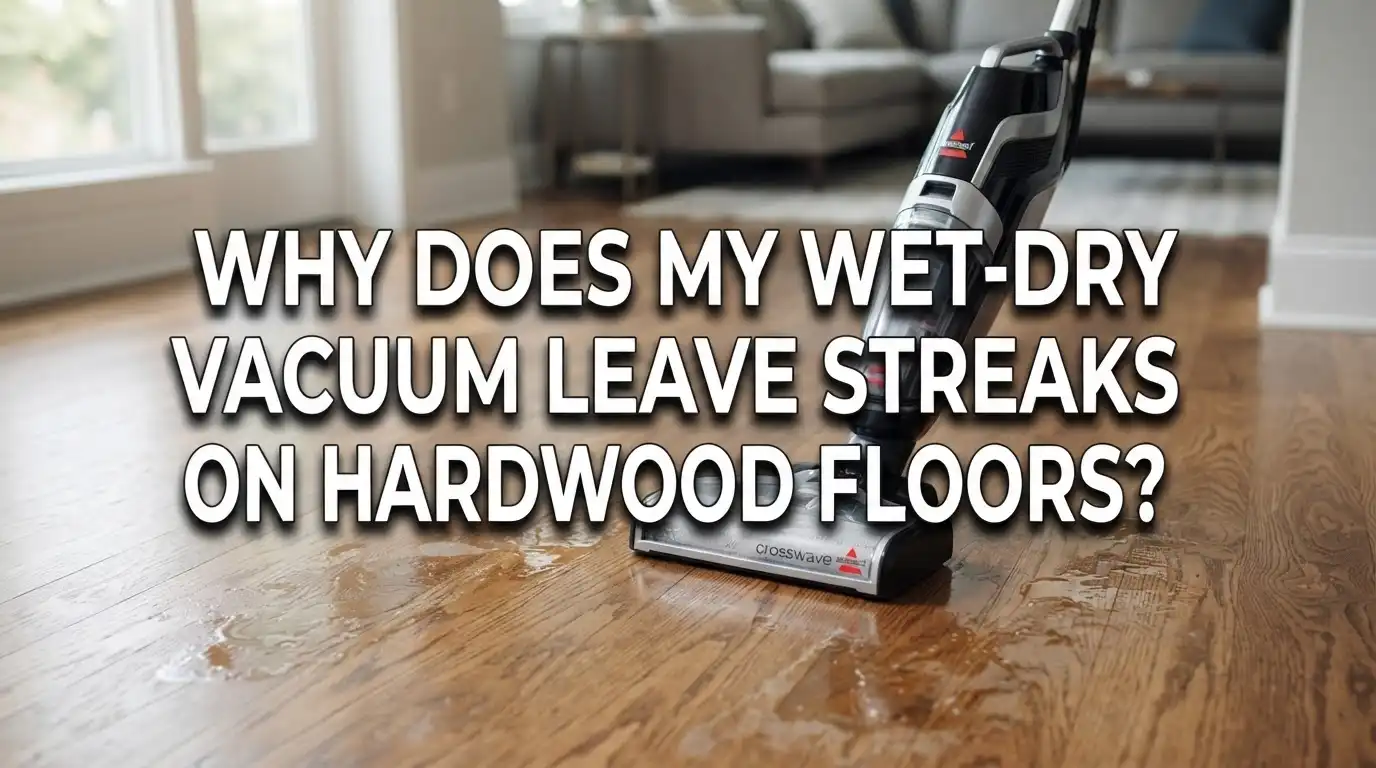
Why Does My Wet-Dry Vacuum Leave Streaks On Hardwood Floors?
You just cleaned your hardwood floors with a wet-dry vacuum. But now you see annoying streaks everywhere.
This problem frustrates many homeowners. Your floors look worse than before you started cleaning.
The good news? These streaks have simple explanations. Most streaking happens because of too much water or leftover detergent film.
Sometimes dust and grit stay trapped under the mop head. Other times, the cleaner ratio is off balance.
Your floors dry with visible marks because water sits too long in one spot. Detergent residue can also create that hazy, streaky look.
In this article, we break down the real reasons behind these streaks. You will learn what causes them and how to spot each issue quickly.
We also share practical prevention steps you can use right away. These tips help you get clear, streak free floors every time you clean.
By the end, you will understand your wet-dry vacuum better. You will also feel confident tackling hardwood floors without leaving a mess behind.
Let’s explore why this happens and how to fix it for good.
In a Nutshell
Here’s a quick summary to help you understand the streaks better.
-
Too much water causes streaks. Your floor dries in place, leaving marks behind.
-
Excess detergent creates a filmy residue. This film doesn’t dry clear on hardwood.
-
Skipping the dry sweep leaves dust and grit under your mop head. This grit drags across the floor and causes streaks.
-
Wrong cleaner dilution ratio makes cleaning solution too strong. This leads to sticky, streaky floors after drying.
-
Not wringing your mop properly means too much liquid touches the floor. Less water always means fewer streaks.
-
Using warm water helps a lot. It evaporates faster and leaves fewer watermarks than cold water.
Simple fixes work best here. Sweep first, use less water, wring your mop well, and wipe up excess liquid right away. Your floors will thank you with a clean, streak free shine every single time.
Understanding Why Streaks Form on Hardwood Floors
Hardwood floors show streaks after wet-dry vacuuming for several specific reasons. Understanding these causes helps you prevent the problem next time.
Residue buildup happens when cleaning solution stays on your floor too long. Detergent doesn’t rinse away completely, so it dries into a thin film. This film catches light and shows as streaks or a cloudy appearance. The more detergent you use, the worse the streaks become.
Water saturation is another major culprit. Your wet-dry vacuum releases water onto the floor, but if too much liquid sits in one spot, the wood absorbs it unevenly. When this water evaporates, it leaves behind mineral deposits and watermarks. These marks look like streaks running across your hardwood.
Dust and grit trapped under your mop head create additional problems. If you skip the dry sweep step before wet cleaning, particles stay on the floor. Your mop pushes these particles around, creating scratches and cloudy areas that look like streaks.
Improper dilution of your cleaning solution matters more than most people realize. A solution that’s too concentrated leaves more residue behind. The floor dries with visible marks because the chemical concentration is too high.
Uneven drying causes visible streaks as well. When water dries at different rates across your floor, some areas show marks while others look clear. Warm water evaporates faster than cold water, which reduces this problem.
The key takeaway? Streaks form when too much liquid, detergent, or grit stays on your hardwood. Each of these elements dries in place and becomes visible. Recognizing which cause affects your floors helps you choose the right fix. Most streak problems stem from one or two of these issues, not all of them at once.
Excess Water and Detergent Residue: The Main Culprits
Excess water and detergent residue are the two biggest reasons your hardwood floors end up streaky after wet-dry vacuuming. Let’s break down exactly what happens.
Excess water sits on your hardwood and creates watermarks as it dries. When you apply too much liquid during cleaning, the water doesn’t evaporate quickly enough. Your floors dry unevenly, leaving behind visible marks and cloudy spots.
The problem gets worse when water pools in certain areas. Some sections dry faster than others, creating a patchy appearance across your floor. This happens especially in corners and along baseboards where water tends to collect.
Detergent residue works differently but causes similar streaks. When you use too much cleaning solution or don’t dilute it properly, a film stays behind on your hardwood. This film dries clear in some spots and cloudy in others, depending on how much product was applied to each area.
Improper dilution makes this worse. If your cleaner concentration is too strong, it leaves more residue behind. Many people assume more soap equals cleaner floors, but hardwood floors actually need less detergent than you might think.
The combination of excess water plus detergent residue creates the worst streaking. Your floor gets hit with too much liquid and too much product at the same time.
Here’s what actually happens: Water and detergent sit on your hardwood, then dry in place. As they dry, they leave behind mineral deposits, soap film, and watermarks. The uneven drying process makes these marks visible and stubborn.
The good news? Both problems have simple fixes. Using less water, wringing out your mop properly, and diluting your cleaner correctly prevents most streaking issues. Wiping excess liquid immediately after application stops watermarks before they form. These small changes make a huge difference in your final results.
Step-by-Step Process to Clean Hardwood Floors Without Streaking
Start by removing all furniture from your room. This gives you clear access to every corner and edge where dust hides.
Next, perform a thorough dry sweep or vacuum before you use any water. This step matters more than most people realize. Dust and grit trapped under your mop head create streaks as you clean. Spend extra time on corners, baseboards, and under furniture edges.
Once your floor is dust free, prepare your cleaning solution. Use the exact dilution ratio recommended for your specific cleaner. Too much detergent creates a filmy residue that shows up as streaks after drying. Too little water means you’re spreading concentrated solution on your floor.
Wring out your mop thoroughly before each pass. Your mop should feel damp, not wet. Excess water sits on hardwood and creates watermarks as it dries in place. Press your mop firmly into the wringer to remove maximum moisture.
Apply your solution in small sections. Work systematically across your floor in one direction. Wipe excess water immediately after application using a dry cloth or towel. Don’t let moisture sit on the surface while you move to the next section.
Use warm or hot water when possible. Warm water evaporates faster than cold water, which reduces the chance of streaks forming. However, check your floor manufacturer’s guidelines first, as some hardwood finishes have temperature limits.
Never mix multiple cleaners together. Different products contain chemicals that react poorly with each other and create visible residue.
After you finish mopping, allow your floor to air dry completely before replacing furniture. Keep windows or doors open to improve air circulation. This final drying step prevents streaks from forming as moisture evaporates unevenly.
Proper Cleaner Dilution and Water Settings for Streak-Free Results
Getting the dilution ratio right is absolutely critical. Most streaks happen because people use too much cleaner or water. Read your product label carefully. It tells you exactly how much concentrate to mix with water.
A common mistake is eyeballing the amount. Don’t guess. Use measuring cups or follow the ratio exactly. If the label says one part cleaner to ten parts water, measure it out. Too much detergent leaves a sticky film on your hardwood. This film catches dust and creates visible streaks as it dries.
Water settings matter just as much. Your wet-dry vacuum likely has adjustable water release controls. Keep these set to low or medium, never high. High settings oversaturate your floor. The wood absorbs excess moisture, and watermarks appear as everything dries unevenly.
Warm water is your friend here. It evaporates faster than cold water. Faster evaporation means fewer watermarks and less time for residue to settle on your floor. If your vacuum has a heated water option, use it.
Never mix multiple cleaners together. This creates unpredictable chemical reactions. The result is usually more residue buildup and worse streaking. Stick with one cleaner product per cleaning session.
Test your diluted solution on a small, hidden area first. This shows you exactly how it performs on your specific hardwood. You’ll see if the ratio creates streaks or dries clear before you clean your entire floor.
Apply your solution in small sections. Work on one area, then immediately wipe up excess liquid with a dry cloth. Don’t let the cleaner sit on your hardwood waiting to dry naturally. Active removal prevents most streaking problems.
Check your mop or cleaning pad too. Wring it out thoroughly between applications. A dripping wet mop deposits too much liquid. A damp mop applies just enough to clean without oversaturation.
Pro Tips for a Streak-Free Shine
The best way to avoid streaks is to control every variable in your cleaning process. Start with your pre-cleaning routine. Dust and grit act like tiny scratches on your floor. When water hits these particles, they create visible marks and streaks.
Sweep or vacuum your entire floor first, paying special attention to corners and baseboards. This single step prevents most streak problems before they start.
Next, focus on water control during cleaning. Your mop or cleaning pad should feel damp, not wet. If water drips from your equipment onto the floor, you’re using too much. The goal is to deposit just enough liquid to clean without leaving puddles.
Work in small sections, about 3 by 3 feet at a time. Clean one area completely, then move to the next. This approach prevents water from sitting on your hardwood while you work elsewhere.
Immediate drying matters more than you think. After applying your cleaning solution, wipe the area with a dry cloth or microfiber pad. Don’t wait for it to air dry. This removes excess liquid and detergent before they can settle into streaks.
Pay extra attention to areas where water tends to pool, like low spots or near doorways. These zones dry last and show streaks most obviously.
Temperature also plays a role. Warm water evaporates faster than cold water, which naturally reduces drying streaks. However, always check your floor manufacturer’s guidelines before using hot water.
Finally, resist the urge to over-clean. One pass with proper technique beats multiple passes with excessive water. Your hardwood will thank you with a clear, streak-free shine that lasts longer and looks professional.
Common Mistakes That Cause Streaking
You’re making mistakes that directly cause those streaks. Let’s break down what’s really happening and how to fix it.
Excessive water is your biggest enemy. Many people think a wet-dry vacuum needs lots of water to work well. That’s wrong. Too much water sits on your hardwood and dries in place, leaving watermarks and streaks behind. Your floors end up looking cloudy or hazy instead of clean and shiny.
Over-applying detergent creates another problem. You add extra cleaner thinking it will clean better. Instead, residue builds up on your floor. When this dries, it leaves a sticky film and visible streaks. Your floor might even feel tacky to walk on afterward.
Skipping the pre-vacuum step causes hidden damage. Dirt and grit trapped under your mop create scratches and streaks across your hardwood. You’re essentially grinding abrasive particles into your finish. Always dry sweep or vacuum thoroughly first, especially in corners and along baseboards where dust hides.
Not wringing out your mop properly makes everything worse. Your mop should feel damp, not dripping wet. If water drips from it, you’re applying too much moisture. Wring it out completely before each pass across your floor.
Allowing water to air-dry on your hardwood is a guaranteed streak maker. Minerals in the water leave deposits as it evaporates. You must wipe excess liquid immediately with a dry cloth before it has time to dry on its own.
Finally, using cold water slows down the drying process. Warm or hot water evaporates faster, which means less time for minerals to settle and create streaks. This simple change makes a real difference in your results.
These mistakes are easy to fix once you understand them. Control your water amount, wring properly, and wipe immediately for streak-free hardwood.
Troubleshooting Persistent Streaks and Watermarks
Persistent streaks and watermarks on your hardwood floors usually mean one thing: moisture or residue is sitting too long in one spot. When water dries slowly, minerals and cleaning agents leave visible marks behind.
The main culprit is inadequate dust removal before you start. Dust particles mixed with water create a paste that dries streaky. Always vacuum or dry sweep your entire floor first. Pay close attention to corners, baseboards, and edges where dust collects. This single step prevents most streak problems.
Another common issue is water pooling in low areas. Hardwood floors aren’t perfectly level. Water naturally flows to dips and stays there longer. These spots dry last and show the worst streaking. Walk through your room and identify where water tends to collect, then wipe those areas immediately after cleaning.
Watermarks appear when mineral deposits in your water remain on the surface. Hard water contains minerals that become visible as the water evaporates. If you notice this problem, wipe excess liquid before it dries completely. Speed matters here more than technique.
Check if your cleaning pad is the problem too. Old pads don’t absorb water effectively and leave streaks behind. A clean, absorbent pad picks up excess moisture much better than a worn one.
Temperature affects drying speed significantly. Warm water evaporates faster than cold water, reducing the time minerals sit on your floor. Open windows and doors to increase air circulation. Fans help too. Better air movement means faster drying and fewer visible marks.
The timing of your wipe down is critical. Don’t wait until your floor feels dry to the touch. Wipe immediately after applying your cleaning solution. This prevents minerals and residue from settling into permanent streaks. Your goal is to keep the floor damp during cleaning, then dry it completely before it air dries on its own.
Final Thoughts
Streak free hardwood floors come down to simple habits. Your wet-dry vacuum works well when you control water and use the right technique.
Less water always works better than more. A damp mop cleans just as well as a soaking one. It also dries faster and leaves no residue behind.
Preparation makes a real difference. Sweep or vacuum your floor before you start mopping. This removes grit that turns into streaky paste once it mixes with water.
Always check your cleaner dilution ratio. Too much detergent leaves a filmy layer that never quite dries clear. Follow the instructions on your cleaning solution closely.
Warm water helps you avoid streaks better than cold water. It evaporates faster and reduces the chance of watermarks forming on your floor.
Wipe up excess moisture right after you apply your cleaning solution. Don’t let water sit and dry on its own. This single habit prevents most streaking problems.
Work in small sections. This way, you clean and dry each area before moving to the next. It stops water from pooling or sitting too long in one spot.
Wring your mop out properly every time. A dripping mop adds too much water to your floor. Your mop should always feel damp, not wet.
Avoid mixing different cleaning products together. This creates unpredictable residue that sticks to your hardwood surface.
If your floors already have watermarks, act fast. Wipe the area immediately instead of waiting for it to dry.
Good habits prevent most streaking issues. Focus on proper water control, thorough dust removal, and quick drying.
Your wet-dry vacuum is a great tool when used correctly. Small adjustments in your routine make a big difference in results.
With the right approach, streak free floors become simple and consistent.
Frequently Asked Questions
Why do streaks appear only after my hardwood floors dry?
Streaks show up after drying because water and detergent residue sit on the surface. As moisture evaporates, it leaves behind mineral deposits and soap film. This happens when you don’t wipe excess liquid immediately after cleaning.
The solution is simple: wipe your floors right after you apply cleaner, not after they dry. Don’t wait for the surface to feel dry to the touch. Act fast while the floor is still wet.
What causes sticky floors after using my wet-dry vacuum?
Sticky floors mean too much detergent stayed on the surface. You likely used more cleaner than the dilution ratio called for. Excess soap doesn’t rinse away properly and leaves a residue layer.
Always follow the cleaner dilution instructions exactly. Less detergent works better than more. If your floors already feel sticky, go back and wipe them down with a damp mop using plain water only.
Can hard water cause streaks on my hardwood?
Yes. Hard water contains minerals that don’t dissolve completely. When the water dries, these minerals remain on your floor as white or cloudy marks. This is especially noticeable on dark hardwood.
Use warm or hot water when possible. It evaporates faster and reduces mineral buildup. Wipe watermarks immediately before they dry to prevent permanent streaking.
Should I pre-vacuum before using my wet-dry vacuum on hardwood?
Absolutely. Skipping this step is one of the biggest mistakes people make. Dust and grit mixed with water create a paste that dries as streaks or smudges.
Vacuum or dry sweep your entire floor first, including corners and edges. This takes just a few minutes and makes a huge difference in your final results.

Hi, I’m Ivy! I’m a smart home enthusiast and self-proclaimed clean freak who loves testing the latest cleaning tech so you don’t have to waste your money on the wrong one. I started HomeTechClean to share honest reviews and practical advice for anyone who wants a cleaner home with less effort.